How large retailers actually do last-mile delivery

For large retailers, accessible last-mile delivery is no longer a “nice to have,” it’s a must to keep up with the competition. Customers expect flexible, fast shipments, whether it’s a TV, a bread maker, a sectional sofa, or building materials. And while same or next-day delivery is a growing expectation for consumers, it’s not the easiest for retailers to execute.
Pulling it off, for some, looks like expanding internal fleets or adopting hybrid store-based fulfillment models. But not every approach is sustainable or scalable. In this article, we’ll explain why van fleet models are changing the game and becoming the dominant delivery strategy for retailers looking to grow.
The shift to last-mile delivery from store
Historically, retailers have relied on centralized distribution centers (DCs) to ship products to customers. While it’s effective for bulk shipping, the model's problem lies in the cost and speed for the customer at the last mile. As consumers expect quicker delivery times, these models just don’t cut it.
Last-mile delivery from the store (also known as ship-from-store or store-based fulfillment) helps retailers better meet these quick-turnaround expectations. By turning the stores themselves into micro-fulfillment centers, retailers can:
- Provide same or next-day delivery
- Reduce delivery distances
- Improve inventory utilization
- And lower last-mile transportation costs
And the best part? It’s scalable. For larger retailers with hundreds or thousands of locations, this strategy quickly becomes an air-tight distributed logistics network.
Why retail van fleet delivery is a must for the model
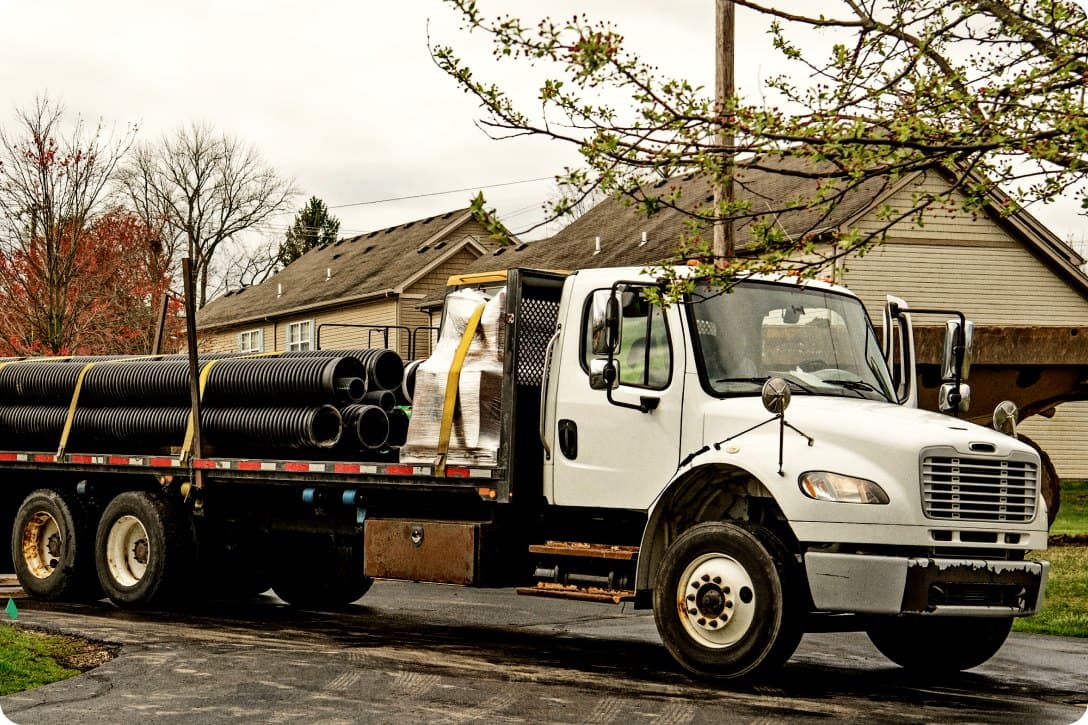
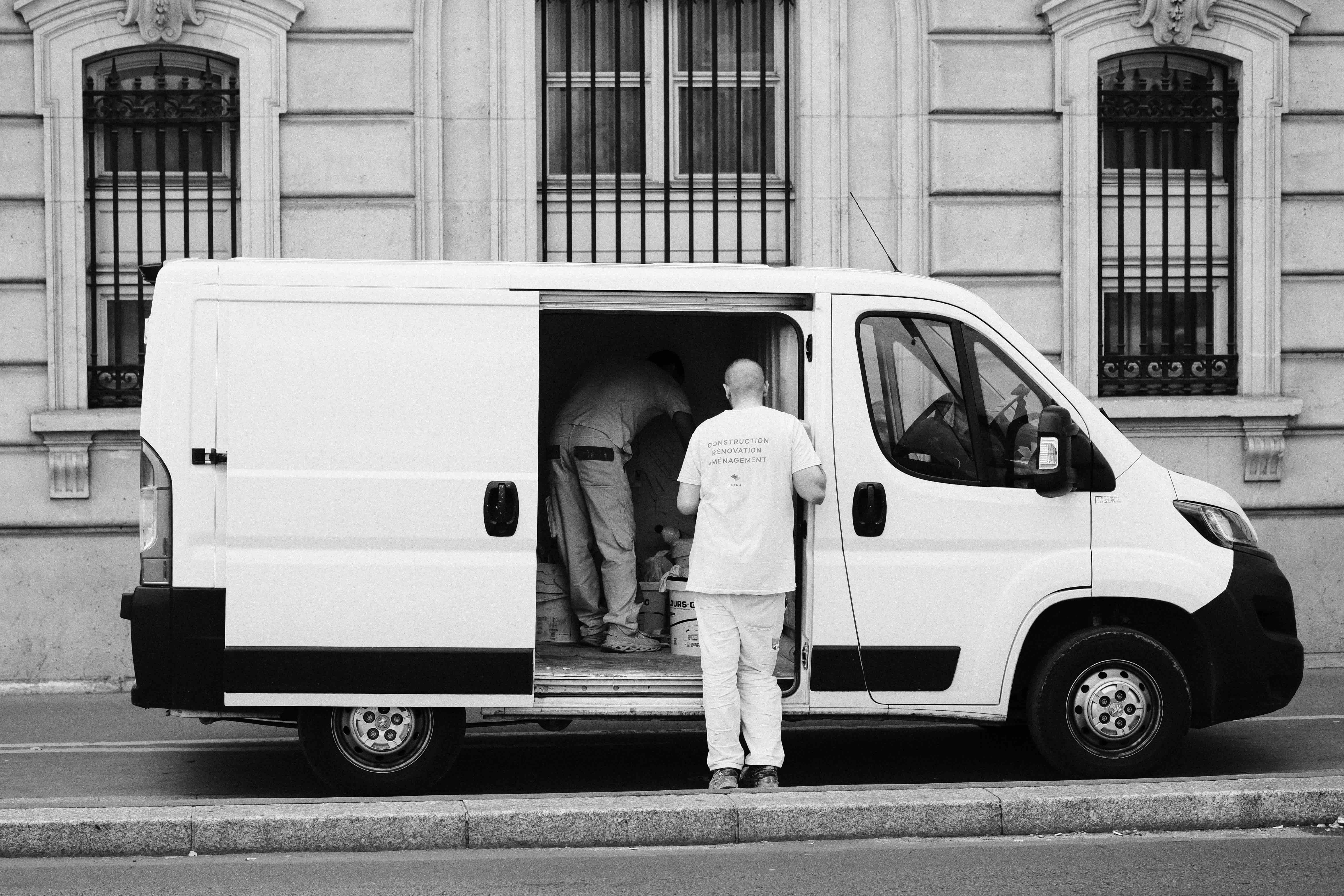
Parcel carriers, long-haul trucks, and drones will still play a role in last-mile delivery, but retail van fleet delivery has quickly become the backbone of operations for midsize to large retailers looking to maintain or scale operations. This is especially true for heavy, bulky, or high-value items that require careful handling. Van fleet service gives retailers better control over routine and delivery timing, branding and customer experience, special handling, and service-level agreements (SLAs).
For retailers in the furniture, fixtures, and equipment (FFE) spaces, parcel service simply isn’t enough. Van fleets enable companies to offer precise scheduling windows or same-day delivery, with real-time communication for consumers. Operational efficiency at this scale drives productivity and improves the customer experience.
Same-day retail delivery vans: Where speed meets control
Consumer demand for instant delivery turnaround continues to rise, but promising speed without reliability is a quick way to erode trust. This is where same-day van fleets come into play. Unlike long-haul drivers with outdated delivery platforms, dedicated vans are fast, efficient, and highly reliable for retail deliveries.
Van fleets also save retailers from having to hire internal drivers and maintain vehicle equipment in-house. They can fulfill rush orders from local stores, serve contractors and B2B customers, support BOPIS overflow, and additionally offer schedules and routine routing. The most effective last-mile delivery strategy is on-demand and flexible, allowing retailers to scale in a way that best suits their business.
How big retailers design van fleet delivery strategies
Large retailers seldom rely on one delivery method. Because van fleets are flexible, they instead use them to build hybrid networks that balance coverage, cost, and demand. These strategies are typically structured around:
1. A core fleet for predictable volume: Retailers know their baseline demand, and request a particular size of fleet to serve high-volume stores or routine drop-offs.
2. Elasticity for peaks: Promotions, the holidays, bad weather, or seasonal spikes and lulls can be an issue. Retailers shrink or supplement their core van fleet with additional coverage rather than committing to a permanent increased fleet.
3. Store-based dispatch: Orders are assigned based on store inventory, delivery times, and location in proximity to the customer.
4. Live visibility, end to end: Modern van fleet strategies use live delivery tracking, customer notifications, proof of delivery tech, and performance analytics.
These strategies allow retailers to remain flexible while meeting customer demand. Over time, thanks to their reliability, van fleets reduce churn and improve retailers' reputations.
Why vans beat parcel for last-mile delivery
If you’re still stuck in your old parcel-service ways, it’s worth noting that they can still play a part for lightweight, one-off shipments. But let’s face it, that’s not the majority of your customer base. Van fleets offer far higher on-time delivery rates, scheduled delivery windows customers can trust, and better handling.
Perhaps surprisingly, van fleets also cause fewer damages and returns. All in all, it’s a scalable, end-to-end branded experience. And when the holiday season rolls around, and parcel service is backed up for weeks, you’ll be happy to have a van fleet strategy at the ready.
The future of retail van delivery, powered by Curri
So don’t jump at the chance to invest in an in-house fleet. Use a third-party van fleet service to have on-demand capacity for any season. Large retailers are moving toward nationwide, platform-based models, rather than having staff handle maintenance and management for dozens of regional carriers or in-house drivers. This centralized delivery method seamlessly orchestrates any last-mile delivery, and that’s where Curri comes in.
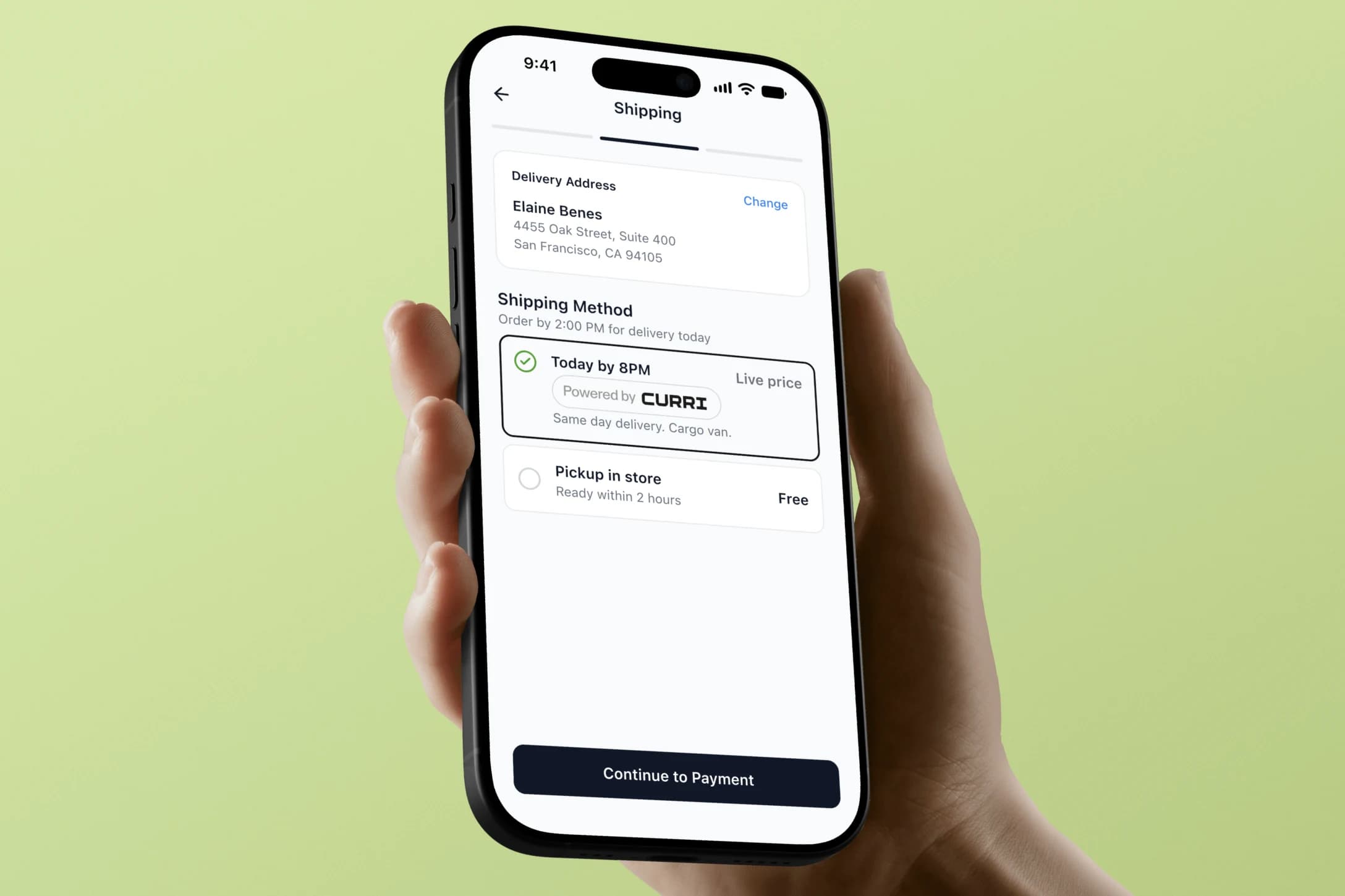
Curri supports last-mile delivery and van fleet strategies by connecting retailers with an on-demand nationwide fleet of vetted, professional drivers. The Curri platform matches you with the right vehicle for any job, and uses an intuitive AI route planner to optimize any path to deliver on time, every time. Stores can dispatch deliveries in seconds, scale as needed, and maintain the consistent service their customers expect.
Curri also offers:
- Same-day or dedicated delivery service from any store
- Elastic logistics to shrink and grow fleet size without long-term commitments
- Live tracking, notifications, and proof of delivery
- Traffic forecasting to anticipate delays and reroutes
And above all else, Curri supports any delivery use case, from residential deliveries to customer or contractor deliveries at construction sites. As fleet delivery becomes more demand-driven, it’s services like Curri’s that step up to the plate and show retailers that last-mile delivery can be cost-effective and reliable.
Final thoughts
Last-mile delivery doesn’t have to be the headache it seems. Meet customers where their demand is with Curri. Book dedicated delivery, same-day hotshots, and scale your van fleet up or down whenever you need it.
Getting started is as simple as signing up and making your first booking. Or, get a demo from the Curri team to learn more and start building your van fleet strategy today.