How nationwide van fleets reduce costs for retailers and DTC delivery


In 2026, one of the most complex cost centers for direct-to-consumer (DTC) brands and retailers is delivery. These days, customers expect deliveries not just that day, but within a few hours. That demand is rising in tandem with fuel prices, labor costs, and carrier surcharges, meaning there’s more pressure on margins now than ever before. For larger retailers, fragmented last-mile processes through trucks and parcel service creates even more of a hassle.
That’s why the flexible, reliable van fleet offers a different model. By working with third parties that support multi-location fulfillment through a network of dedicated drivers, retailers meet customer expectations, but also cut costs. In this article, we’ll detail just how van fleets create savings, but also streamline operations and provide a strategic advantage for retailers who use them.
Retailers and DTC brands: Why delivery costs are on the rise
We don’t need to tell you that retail delivery economics have shifted in recent years. Parcel-based shipment strategies no longer work or are too costly for bulky items or same-day fulfillment. A few things come into play with cost increases:
- There’s more demand for same-day shipping.
- Fuel and labor costs are on the rise.
- Surcharges creep up during high season or rush hour.
- Greater returns and reverse logistics.
- There’s a growing mix of deliveries with bulky or oversized products.
For larger retailers, shipping from stores or warehouses nationwide compounds these challenges quickly at scale.
Where the hidden costs lie
Not every delivery charge shows up as a line item. Instead, they show up in operational inefficiencies and churn. Common hidden costs could include failed delivery attempts that require redelivery or inefficient driver routing. Poor handling of high-value or specialty items and a lack of delivery visibility also contribute to wasted time in the long term.
Finally, high return rates due to a poor delivery experience mean not only that one sale was lost, but that customer loyalty may be as well. And without a refreshed strategy and trusted logistics partner, these issues often go unresolved.
What’s a nationwide van fleet?
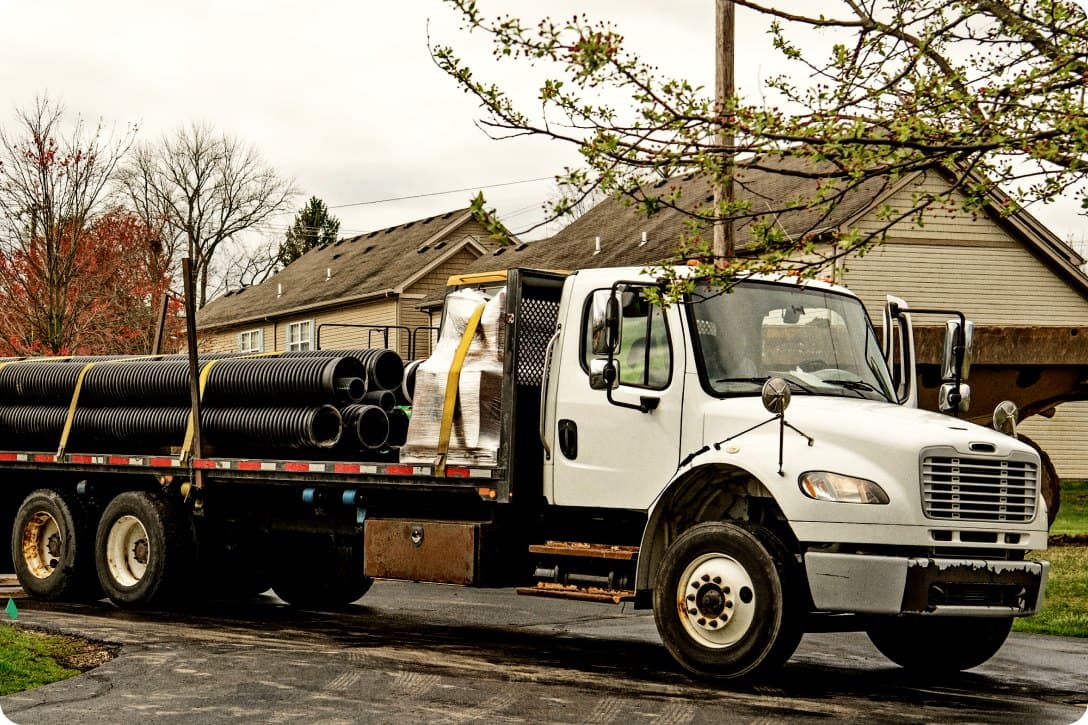
A nationwide van fleet is a dedicated, flexible delivery network designed for DTC and retail use cases. Oftentimes, vans are used to deliver goods (nationwide, of course) from store to consumer. But in some cases, trucks or specialty vehicles step up to the plate when necessary to complete bulk or large deliveries. Unlike long-haul trucks or parcel carriers, van fleets can act quickly, supporting high-volume deliveries across many markets.
This model is particularly effective for retailers managing large-scale logistics from hundreds or thousands of stores. A reputable van fleet covers both urban and rural areas, supports branded last-mile delivery, and offers consistent service and support across locations.
Four ways van fleets lower costs with every delivery
1. They lower overhead while the business scales
Operating an in-house fleet of drivers is complex and expensive. A nationwide van fleet partner, however, allows retailers to offload the hassle while keeping control. When retailers ditch their in-house fleets, they also let go of hiring and managing drivers, handling fleet maintenance, hiring support staff and local dispatch, and organizing compliance and safety training.
Instead, retailers can shift these areas of responsibility to a partner that already runs like a well-oiled machine (or van). The retailer, then, can refocus on big picture growth.
2. Fewer returns and failed deliveries mean lower total costs
Delivery quality always impacts customer satisfaction and return rates. Poor last-mile delivery results in damaged items, missed deliveries, and costly reverse logistics. With the van fleet, however, retailers can deliver more reliably, ensure professional handling with bulk items, improve communication with customers, and thereby reduce damage and return rates.
3. Nationwide coverage means smarter inventory and fulfillment
A van fleet that covers the whole country unlocks flexible fulfillment. Retailers can deliver from warehouses, distribution centers, regional hubs, and of course, stores, without changing partners. The benefits of using a flexible dispatch approach with a van fleet mean shorter delivery distances, more same-day delivery options, reduced need to expedite shipping, and better use of store inventory.
This flexibility is particularly important for multi-location retailers looking to balance cost and speed.
4. Cost predictability is greater in peak demand
When it’s holiday or peak season, retailers know to expect delivery costs to go up, but it’s hard to predict, let alone budget for, what that might look like. But with a van fleet, retailers get dedicated capacity during high-volume periods, more stable pricing models, and reliable service during the busiest parts of the year. And for those planning large-scale deliveries during peak demand, stability and routine are almost as important as cost savings.
Curri: Delivering the best nationwide van fleet experience
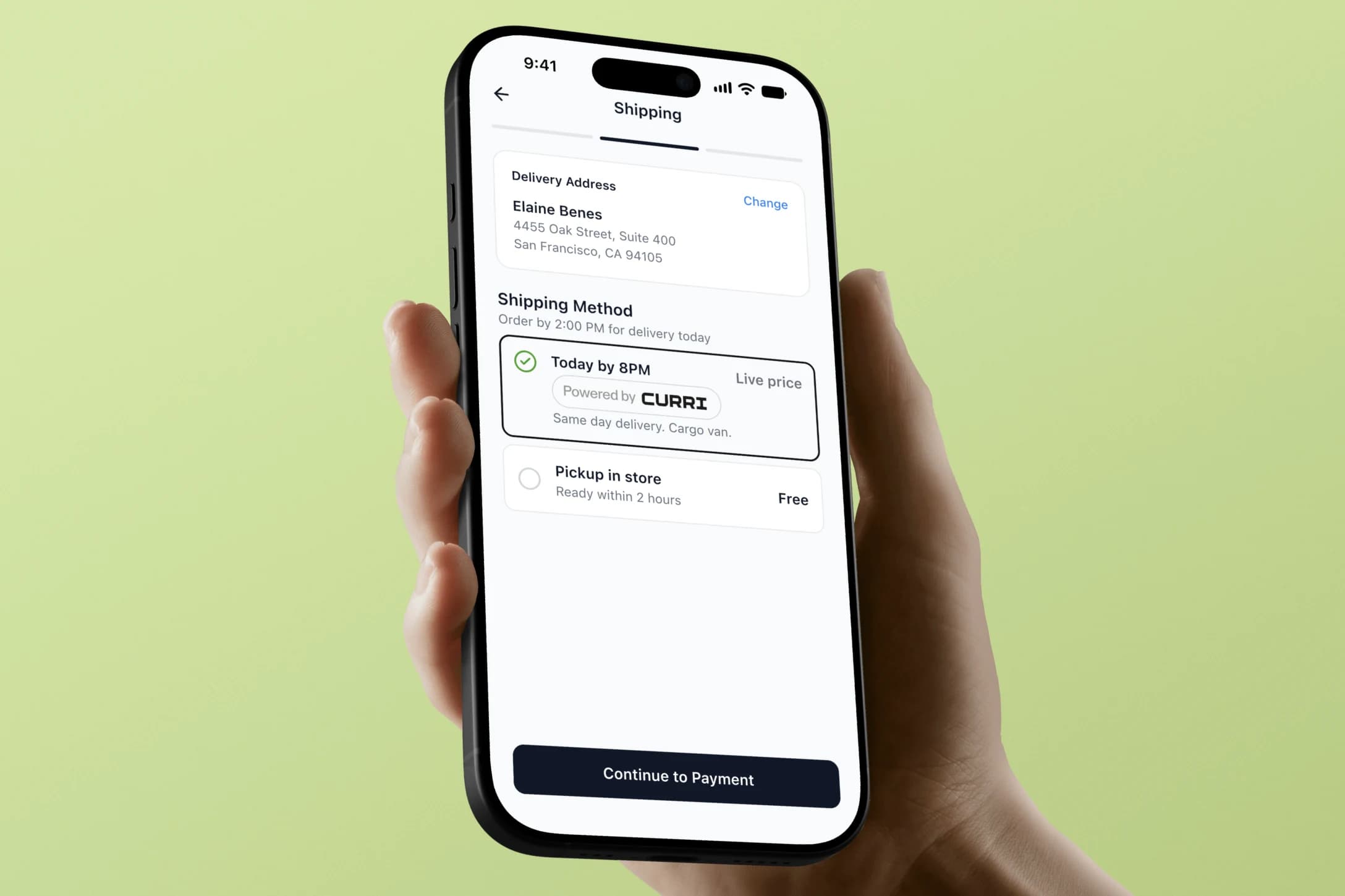
Curri is a comprehensive logistics platform, serving every industry for their delivery needs. For DTC brands and retailers, Curri offers reliable van fleets through a single app. There’s no need to coordinate dozens of local providers. It’s just a scalable last-mile service spanning the whole country.
Curri’s platform provides:
- Access to vetted, experienced van fleet drivers
- Nationwide coverage
- Live tracking and proof of delivery for both dispatchers and customers
- Flexible capacity for seasonal surges and peak demand
- Intuitive route planning for faster, more sustainable deliveries
- Seamless support with dedicated account managers
By combining tech with a trusted network of drivers, Curri can act as a do-it-all retail logistics partner. Stores gain the efficiency of a van fleet they can count on, with the control and flexibility needed to operate at scale. Plus, without the internal fleet, retailers can save a lot of budget and headache.
Get Curri and grow your retail business
For retailers and DTC brands focused on scaling, nationwide van fleets are the new standard, and critical for reducing costs and meeting customer expectations at scale. Curri offers the competitive advantage companies need.
And outside the van fleet, if brands find themselves needing rush hotshots, LTL or FTL service, dedicated routes, or anything else on the road, Curri has you covered. See a demo from our team today to learn more about how a van fleet can grow your business tomorrow.