5 Industries that benefit from route planners for van fleets


If you’ve got a product that needs delivering, and you’ve got a van fleet to make it happen, you need a route planner. Otherwise, you could be leaving money on the table. We don’t need to tell you that customer expectations continue to rise. And businesses and their fleets are under immense pressure to move faster, cut costs, and keep up the top-notch service.
This is what route planners were built for. Route planning software helps operators and dispatchers streamline their delivery routes, reduce mileage, and boost driver productivity. If you’re in an industry like retail, food and beverage, construction, or field service, don’t dread adding more tech to your digital stack. Instead, get the one that’s going to scale the business.
5 industries where van fleets could benefit from a route planner
1. Retail
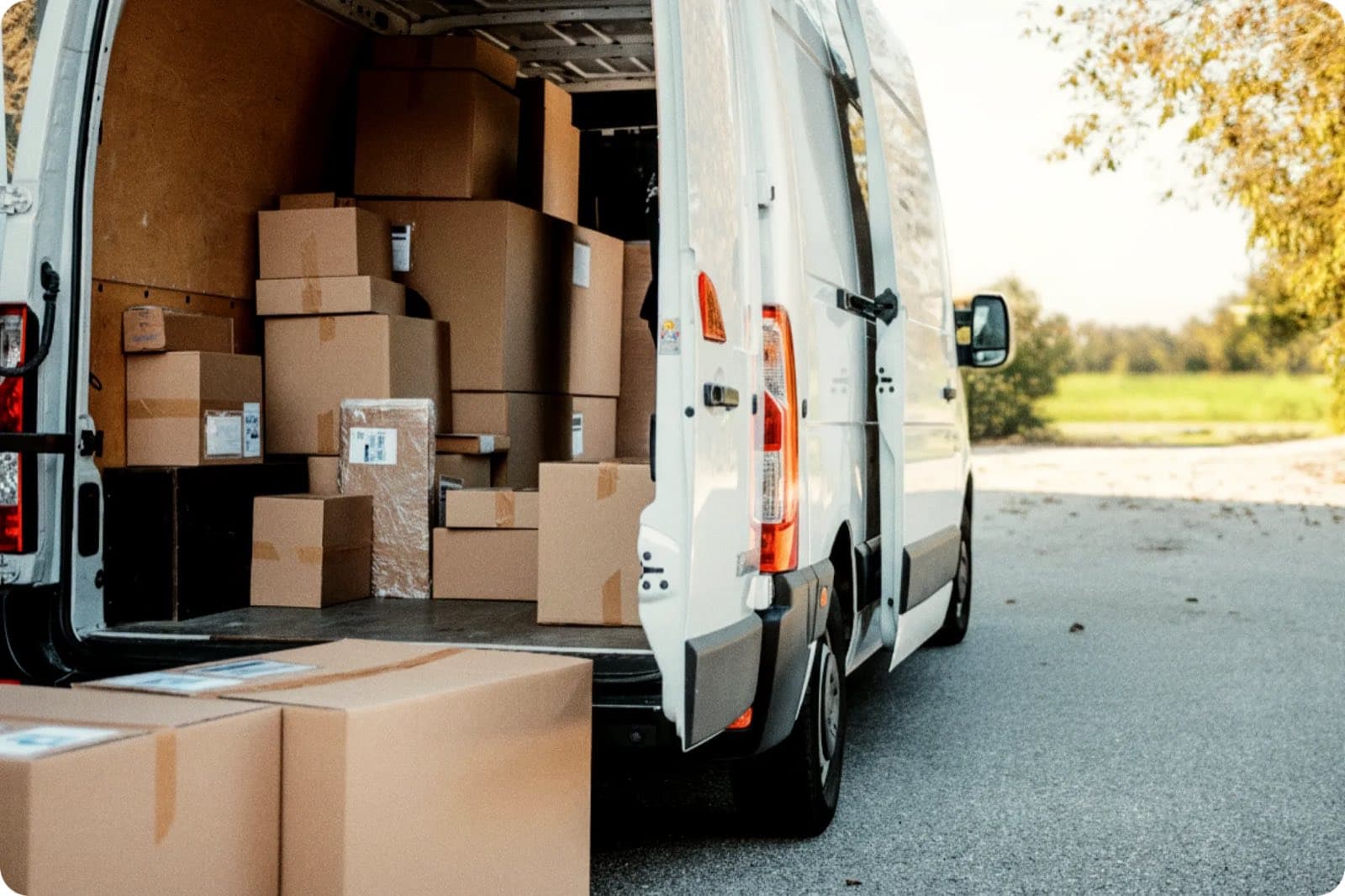
Unsurprisingly, the retail sector is one of the more prominent users of van fleets and route planners today. As e-commerce and ship-from-store models expand, retailers are increasingly relying on their van fleet to meet customer demand.
Retail van fleet strategies often include larger items like appliances, furniture, electronics, and home improvement goods. These deliveries typically require specific time windows, multi-stop routing, and careful handling.
Route planners help retail fleets sequence deliveries to reduce drive time, plan routes based on customer availability, maximize deliveries per route, and reduce labor and fuel costs. Importantly, they also provide live tracking for waiting shoppers and proof of delivery for all shipments. Retail delivery is becoming more on-demand and same-day than ever. In these cases, route planners should be used alongside real-time dispatch tools to maintain flexibility.
2. Construction and building supplies
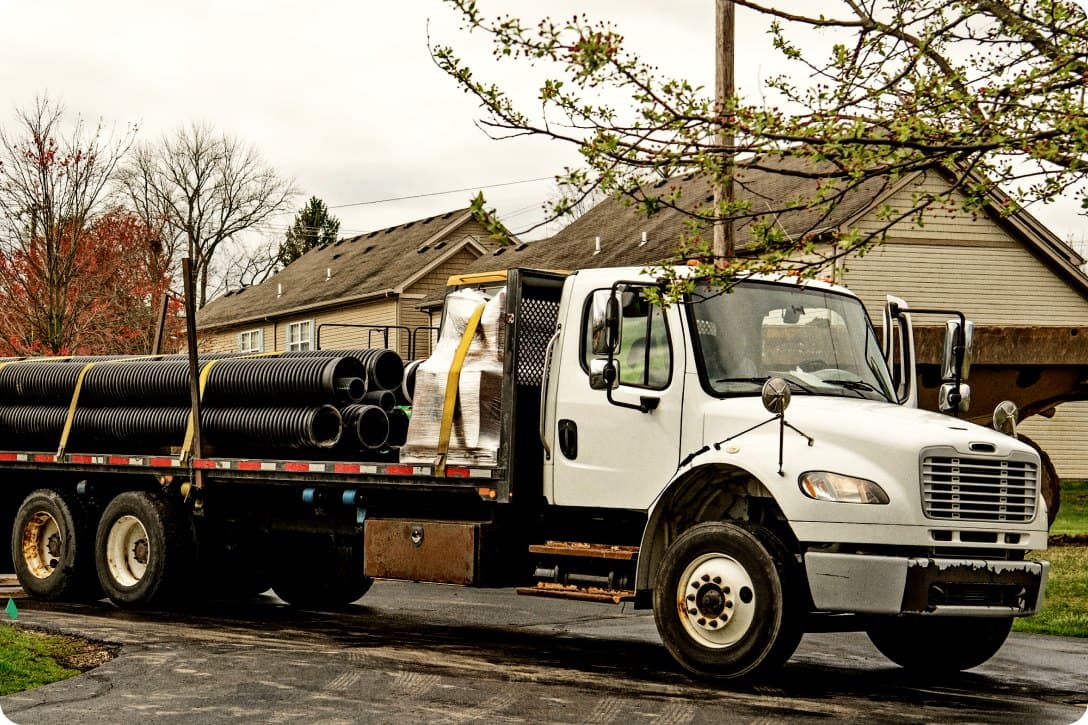
Any construction project is a culmination of dozens of material distributors working around the clock to keep timelines tight. That means plenty of van fleets delivering directly to the site. These deliveries often included equipment, building materials, tools, electrical supplies, HVAC materials, and other critical components.
Timeliness is essential here, and that’s where route planners come in. Without them, delayed projects result in wasted labor, pushed-back timelines, and overruns. Route planners help construction and building materials businesses by optimizing multi-stop site deliveries, reducing delays caused by inefficient routing, grouping deliveries by geographic zone, and supporting schedules and last-minute replenishment runs.
3. Healthcare and medical supply delivery
Healthcare logistics also relies on delivery precision and reliability. Medical suppliers use van fleets to deliver pharmaceuticals, hospital equipment, lab samples, and home healthcare supplies.
In this industry, delivering on time isn’t just about cost. It’s about meeting compliance standards, patient care, and time-sensitive delivery windows. Route planners help operations run smoothly by mapping the fastest routes between clinics and hospitals, managing recurring delivery schedules, supporting temperature-sensitive deliveries, and reducing transit time for urgent supplies.
This is another industry where providing visibility is important. When clinic staff can see where an order is en route, they can better plan daily operations and patient care. For non-emergency medical logistics, route planning software helps ensure consistency and accountability across clinical networks.
4. Food and beverage distribution
Speaking of temperature-sensitive delivery runs, food and beverage distributors operate their van fleets to support restaurants, hospitality venues, and grocery stores in keeping their food fresh.
Route planners play, again, another key role here. They help van fleets meet high stop density, plan recurring delivery routes, and deliver with quick turnarounds. Other benefits include optimizing morning versus overnight routes, reducing spoilage risk, balancing vehicle capacity with delivery volume, and improving fuel efficiency in dense, urban routes.
5. Field service and facilities management
Lastly, we have facilities and field service management. These businesses rely on van fleets to transport tools, technician equipment, and replacement parts to sites and customer locations. This could include deliveries for HVAC professionals, plumbers, electricians, and property maintenance workers.
Unlike on-demand delivery services, field technicians must account for appointment times, job durations, and technician skill sets. Route planners help by efficiently sequencing service calls, reducing downtime between jobs, aligning technician availability with geography, and increasing job completion rates.
Much like with the other listed industries, route planners help improve the customer experience, improving arrival time and accuracy with each appointment.
Get the whole logistics package at Curri
A one-off route planner might get the job done, but it’s better executed if embedded into a broader delivery ecosystem. Curri is a comprehensive logistics platform that enables users to do just that. This allows teams in any industry to efficiently plan routes, cut costs, and build out a strategy that truly delivers (no pun intended).
Curri supports van fleet operations across retail, construction, and other sectors seeking to streamline and scale, by offering features like:
- Traffic forecasting
- Live-tracking
- Proof of delivery
- SmartMatch
From vans to flatbeds, Curri meets everyone’s delivery needs. Curri also has a nationwide network of drivers, meaning any business in the US can access a fleet with a suite of features.
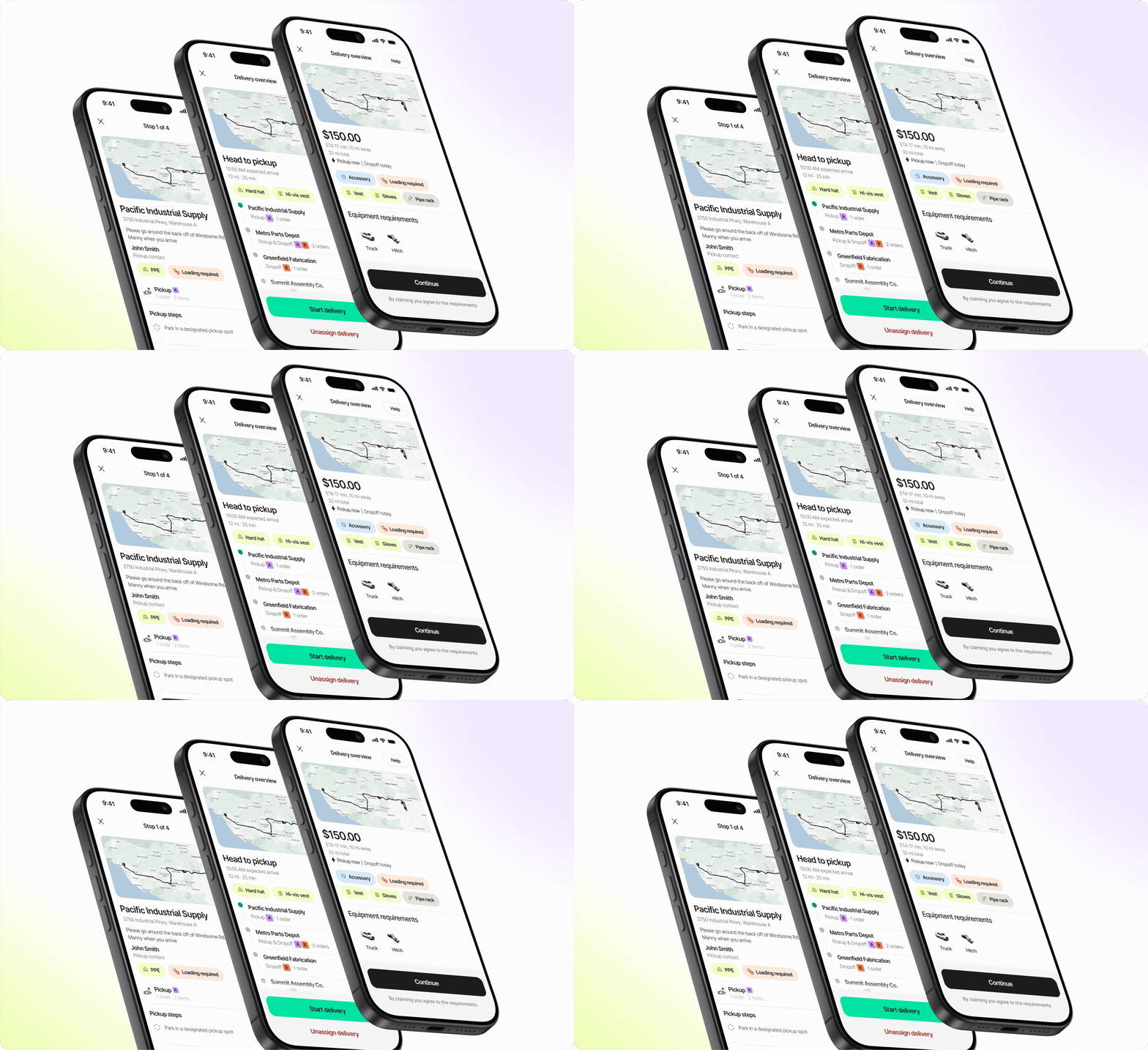
Curri’s Route Planner is second to none. Baked into the software, Route Planner is intuitive and puts the user in control of how they want to map, plan, and optimize. Bookers can choose between simple drag-and-drop, drawing a loop to group deliveries, or using the AI-powered Auto Assign to streamline and automate their strategy. It’s optimization businesses can count on, while staying easy to use. In fact, Route Planner won Gartner’s Best Ease of Use 2026 award earlier this year.
Get Curri and scale your business
Route planners are here to stay, and they remain a foundational tool for van fleet management across many industries. From retail to construction and healthcare, route planning helps businesses cut costs, improve efficiency, and scale.
At Curri, we understand that businesses need software that not only works but is cost-effective and simple. Whether your vans are operating on recurring, dedicated routes to same-day hotshots, we make it easy to get on the road. Watch a demo from Curri today, and simply sign up and make your first booking to get started.