5 reasons why large van fleets are powering last-mile delivery in 2026

If you’re a retailer, consider your delivery strategy. Does it always meet customer demand cost-effectively and at scale? If you’re not using a van fleet provider, we’d bet it doesn’t. Here’s what the van fleet strategy looks like, and 5 reasons why it’s the future of effective last-mile delivery for retailers.
What is a van fleet strategy?
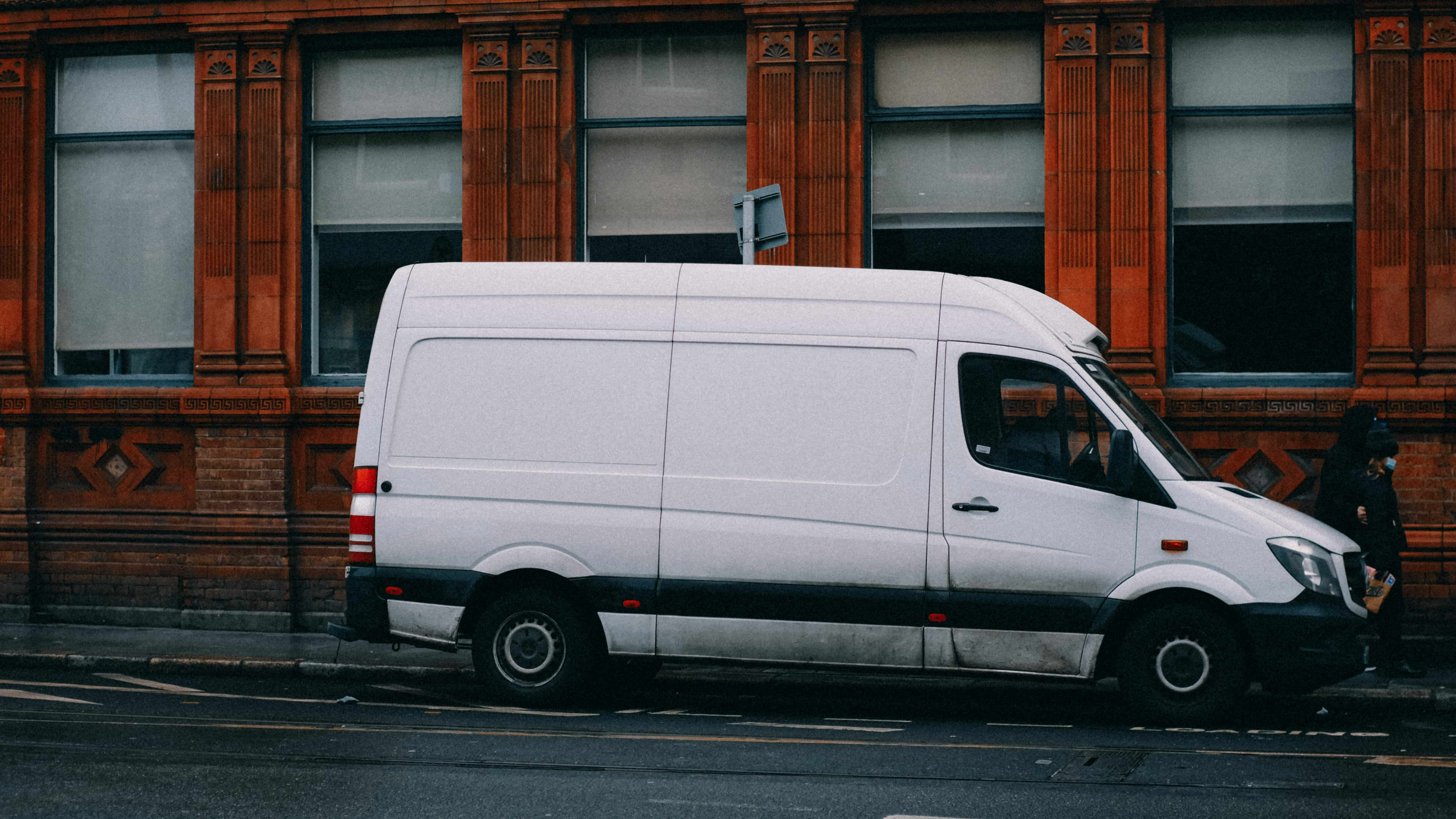
A van fleet strategy is a delivery logistics model that uses a multi-regional or nationwide network of delivery vans operated by a single provider. It’s designed to support high-frequency, high-volume deliveries with ease, while giving the end customer complete visibility the entirety of the trip.
Depending on the size of the retailer employing the strategy, these fleets could range from hundreds to thousands of vehicles, operating across quiet suburban markets to dense metro areas. They’re low-commitment, optimized for last-mile delivery, and offer businesses performance analytics so they can grow, shrink, or fine-tune their strategy as they go.
Unlike local couriers or parcel services, van fleet strategies are built for scale. They combine smart route planning, professional drivers, live traffic forecasting, and intuitive centralized fleet management to deliver consistency, speed, and repeatable results. For retailers, brands, and distributors of all kinds, adopting a modern van fleet strategy enables same-day delivery without incurring unnecessary overhead to manage an internal fleet. Essentially, it’s cost-effective, scalable, and it works.
What to look for in a third-party partner
While it’s a common strategy, not all van fleet companies are created equal. When shopping around for a third-party fleet provider, businesses should watch for:
- Nationwide or multi-region coverage to support scaling
- On-demand, same-day, and scheduled delivery options
- Tech-driven dispatch and performance data
- Live tracking and proof of delivery
- Surge capacity support
- Professional, vetted drivers you can trust to represent your brand
The right partner will have a proven track record of delivering reliably and cost-effectively. They’ll help you scale your operations and protect the customer experience without breaking the bank.
5 reasons why the largest van fleets are powering the future of last-mile delivery
1. The speed is unmatched
Van fleet strategies are designed for fast, reliable delivery. Most providers already have thousands of experienced drivers on the road, who are accustomed to eliminating delays and meeting delivery windows, all while keeping the business and customer in the loop.
For distributors and retailers, this efficiency means faster fulfillment to stores, warehouses, or job sites, with same-day or rush delivery the norm rather than the exception. Long-haul trucks and parcel services simply can’t consistently meet same-day demand, and a van fleet strategy is the competitive advantage any retailer needs to scale over the long term.
2. Elevated coverage, instantly
Growing delivery capacity and radius used to mean opening new warehouses or hiring local drivers for each individual market. With a van fleet strategy, that friction is removed entirely. Businesses can enter new markets, urban or rural, without investing in infrastructure. They can support regional spikes in demand wherever they occur while maintaining service quality at scale. Instant coverage means teams can focus on growth operations over complex logistics.
3. Better surge elasticity at your fingertips
Yes, van fleets offer instant capacity growth, but demand is rarely predictable. Weather events, seasonal spikes, or supply chain disruptions can all cause demand to grow or shrink. You wouldn’t want to commit to new warehouses or an expanded internal fleet, only for demand to shrink over the next few quarters.
That’s why elastic van fleet strategies allow capacity to shrink as quickly as it grows. Businesses save money when periods become unexpectedly quiet and rebuild their fleets as needed. This saves time and money and eliminates the need to scramble to secure capacity on short notice.
4. The customer experience is elevated
More often than not, delivery is the last touchpoint between a business and its customers. Van fleets ensure this experience is consistently positive and reflects your brand standards. Professional drivers, delivery status tracking, and proactive updates mean happier customers. They experience fewer delays and missed deliveries, greater visibility, and a more consistent experience.
After seamless experiences like these, businesses can expect less churn and a stronger reputation over time.
5. It’s more sustainable
For most retailers and consumers alike, sustainability is no longer optional. Van fleet services only use vehicles as needed and deploy the right-sized truck for the job. This means a smaller carbon footprint, lower emissions, and more efficient vehicle utilization. Van fleets also use route-planning software to reduce miles driven, saving the planet while keeping customers satisfied. For businesses with sustainability goals, partnering with a van fleet supports both their operational and environmental objectives.
Lowering labor, maintenance, and overhead costs
If you’re looking to own and operate a private fleet, prepare for high costs. Fuel, vehicle maintenance, driver labor, insurance, compliance, and downtime are all at your expense. But when you partner with a van fleet provider, costs are fixed into the flexible, usage-based model. That means businesses benefit from skipping driver hiring, onboarding, or firing, and from reduced maintenance and administrative compliance costs.
Capital can instead be reinvested into core business priorities instead of delivery logistics. And in a retail market more competitive than ever, cost savings are crucial.
Meet Curri: The perfect van fleet solution
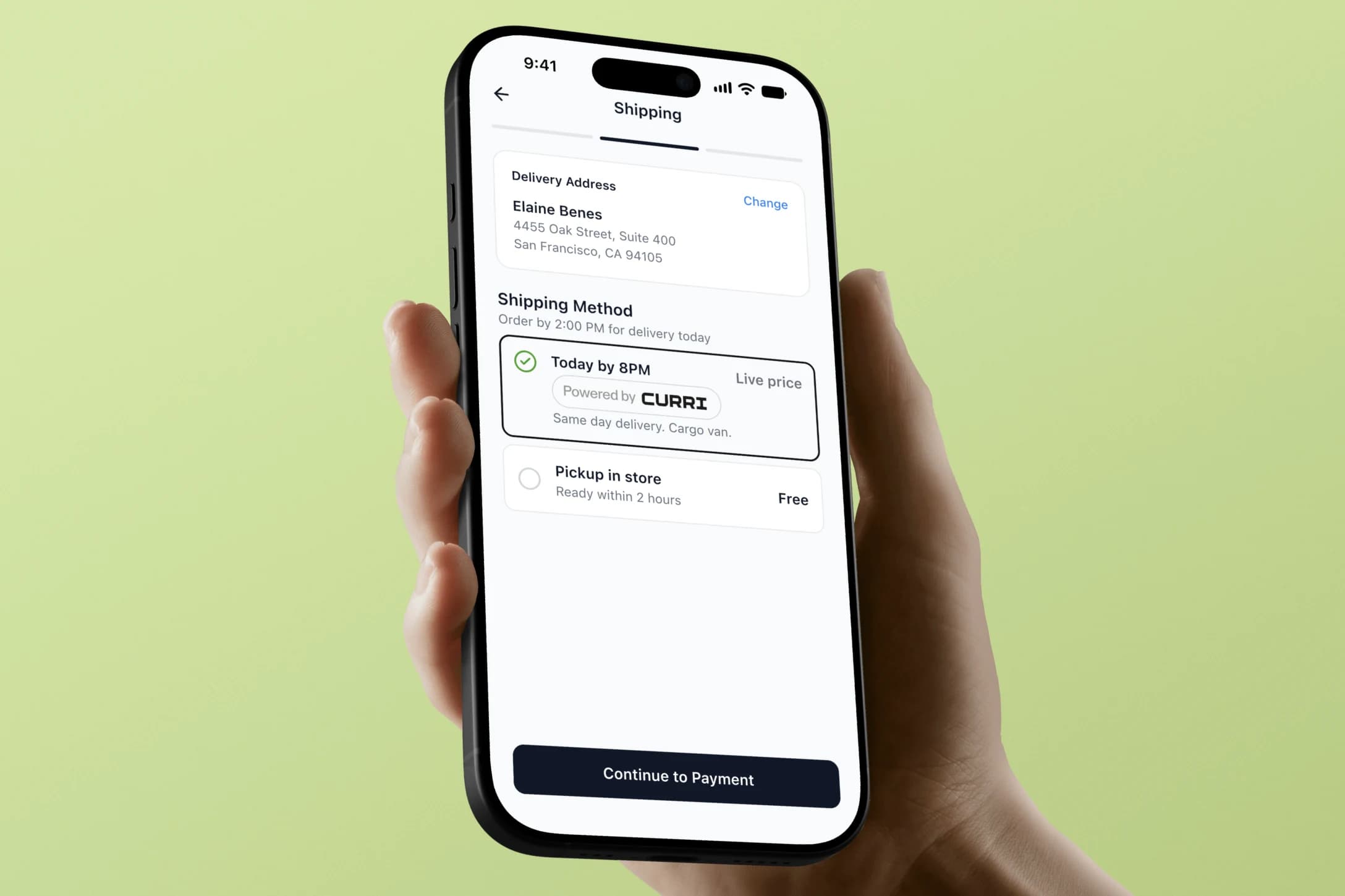
Curri isn’t just a van fleet; it’s a unified logistics platform, offering a nationwide network of vetted, professional drivers. Purpose-built for last-mile delivery, Curri combines scale with flexible logistics, offering same-day hotshot deliveries, routine deliveries, and everything in between.
With Curri, retailers get:
- On-demand coverage across the United States
- Live delivery tracking and proof of delivery
- An intuitive route planner for simple, optimized routes
- Specialized delivery for any industry, including building materials, retail, manufacturing, appliances, and more
Curri is designed to fit businesses where they are and help them grow. From small shops to enterprises, everyone receives dependable, cost-effective, and accessible delivery.
Get Curri and scale
As last-mile delivery continues to shape customer expectations, van fleet strategies become more essential. Curri makes it easy to deliver lightning fast without sacrificing quality. Users can flex coverage up or down without a commitment and book any delivery type on a single platform.
Book a demo with the team today to learn more and start delivering faster.