Large van fleets vs. Traditional carriers: What retailers should know


Modern retail delivery has reached a new era. Online giants have raised customer expectations to same-day, or even 2-hour delivery, setting a new standard. Now, retailers are left to evaluate their logistics strategies to move goods at speed and scale in that final mile. For most, the choice is between traditional parcel carriers and long-haul carriers, or the van fleet.
While traditional methods still have their place, more retailers are discovering the flexibility, performance, sustainability, and control a van fleet platform offers. Understanding the tradeoffs for each is important for any business looking to keep up with the competition. Here’s what you need to know.
How the big retailers do last-mile delivery
Spoiler alert: the van fleets are a must-have. But big retailers do the last mile with a careful, flexible strategy in place. Most larger retailers operate hybrid fulfillment networks that blend centralized distribution warehouses with their store-based shipping.
Store locations are increasingly serving as small fulfillment hubs, shipping orders directly to nearby customers whenever possible. This enables lower transportation costs, faster turnaround times, and improved inventory control.
Traditional delivery methods and parcel services are built for centralized shipping and package delivery. Store-based fulfillment, however, demands speed, visibility, better scheduling, and more careful handling. This is where the van fleet shines.
Traditional carriers: strengths and limitations
We’ll make it clear that traditional carriers aren’t going anywhere. Long-haul carriers and parcel services still excel at what they’re designed to do: moving goods efficiently, whether in bulk or small shipments. They’re a cost-effective solution for particular use cases.
Where traditional carriers do well
Traditional carriers excel in a few ways:
- They offer predictable pricing and national coverage.
- They’re efficient in handling small, standardized packages.
- They have a strong infrastructure for long-haul deliveries.
- They offer easy integration for e-commerce fulfillment.
However, as more deliveries originate from storefronts rather than warehouses, the limitations of traditional carrier delivery become more apparent.
Where traditional carriers fall short
Traditional carriers often fail to meet modern delivery demand. Here’s where they miss the mark:
- Timelines are often too rigid for store-level dispatch.
- There are far fewer options for scheduled delivery windows.
- Damage rates are higher for fragile or bulky items.
- They offer less visibility and control over the customer experience.
- They are slower to respond and to meet same-day or next-day delivery requirements.
For retailers shipping time-sensitive, large, or fragile items, or those requiring special handling, these shortcomings can affect customer satisfaction and brand reputation.
The rise of the retail van fleet
Retail van fleets have emerged as the new standard for last-mile delivery from stores. These vans are purpose-built for local fulfillment and offer retailers better control over when and how deliveries occur. Unlike parcel services, van fleets can be optimized for store locations rather than warehouses. They also offer a wider range of delivery windows, accommodate heavy or fragile items, and use intuitive route-planning software to support more sustainable operations.
This makes the van fleet especially well-suited for categories like appliances, home improvement, building supplies, and furniture.
Last mile delivery from store: Why van fleets are the better fit
Speed and proximity
Van fleets operate locally and leverage multi-regional or national networks. This allows retailers to fulfill orders within hours, almost anywhere. Short routes mean lower transportation costs and faster delivery to any customer.
Scheduling and reliability
Van fleets support precise delivery times, improving first-attempt delivery success rates while reducing customer frustration.
Handling and damage reduction
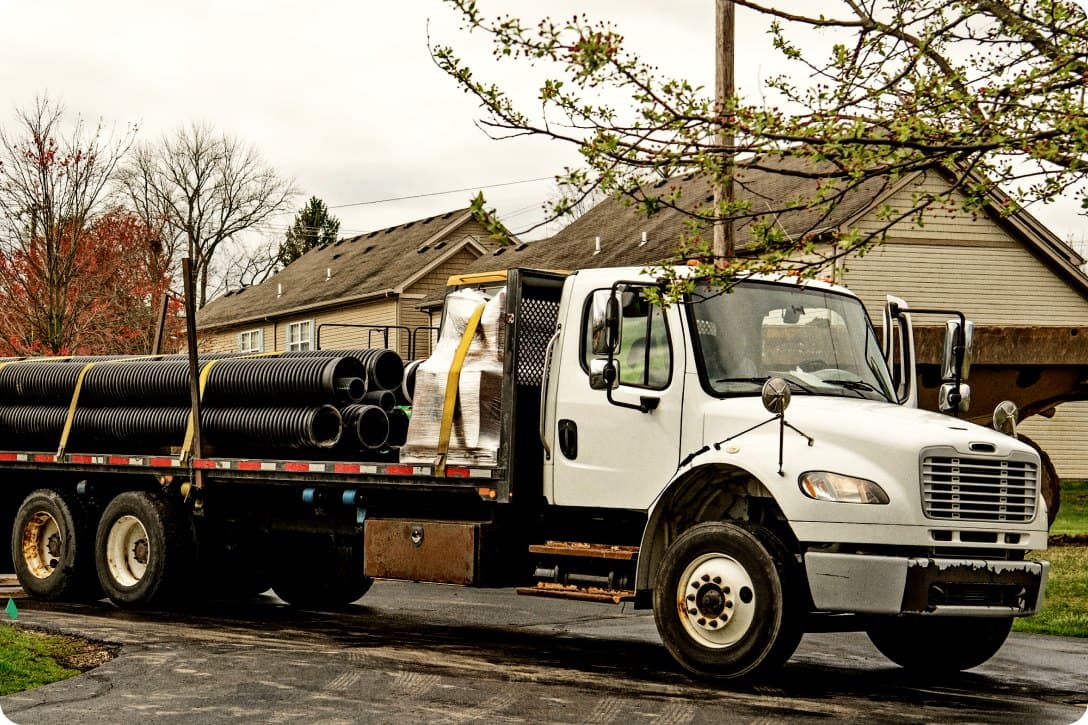
Van fleets, especially larger vans, can handle bulky items securely, often resulting in fewer damages and returns when compared to parcel shipping.
Customer experience
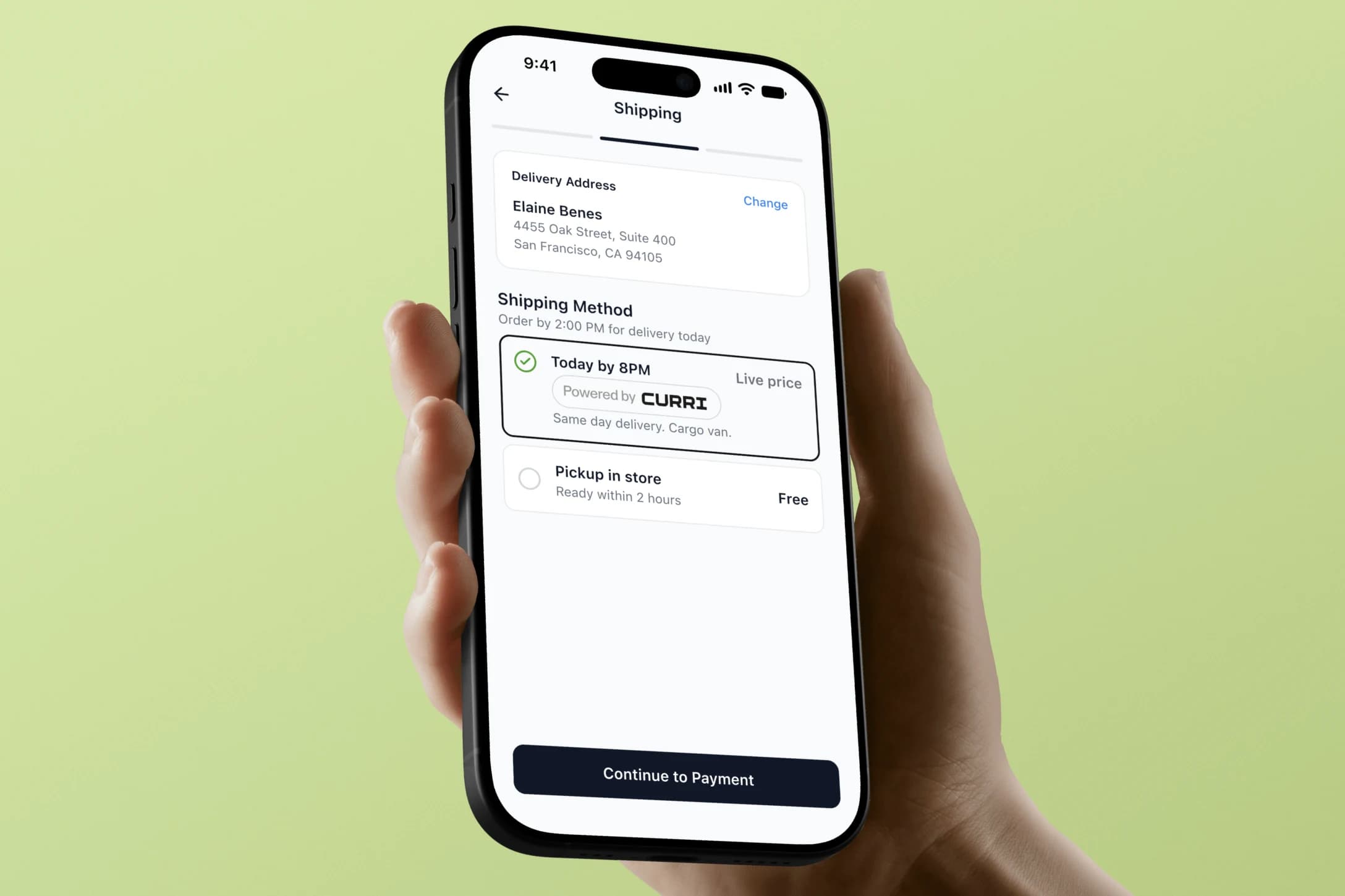
With van fleets so close to the stores and the customers, retailers can maintain better control over branding, communication, and service standards. The best van fleet providers also offer live tracking and proof of delivery, so everyone gets the order visibility they need.
Fleet delivery for retailers: Ownership vs accessibility
Historically, van fleets meant owning and managing an internal one. This is both a costly and a complex undertaking. Today, modern van fleets typically use a third-party platform, moving away from ownership and toward a more accessible solution.
Retailers are increasingly prioritizing on-demand capacity over fixed assets and variable delivery costs instead of daunting overhead. Van fleets offer scalable coverage across almost any market, and their technology-driven platforms keep them up to date on the latest in visibility and performance analytics. This shift allows modern retailers to benefit from van fleets without taking on the operational and overhead burden of managing drivers and purchasing and maintaining vehicles.
How Curri fills the gaps for retailers
As retailers foray into van fleet strategies, platforms like Curri make it easy. Curri is a comprehensive logistics solution that gives users access to a nationwide fleet of drivers and professional delivery vehicles. Whether your delivery requires a sedan or a flatbed, Curri can make it happen.
Retailers can power last-mile delivery from stores within a few hours with Curri, and offer flex capacity as demand changes. Stores no longer have to commit to a large internal fleet size. Retailers also benefit from:
- Live tracked deliveries with push notification options
- Consistent, professional service
- The option for rush hotshots or scheduled, dedicated service
- An intuitive route planner that always offers the quickest, most eco-friendly routes
By combining the van fleet strategy with the simplicity of a single platform, Curri helps modern retailers meet customer demand through last-mile operations at scale.
Try Curri today
As fulfillment transitions to a more store-based model, the limitations around traditional carriers are harder to ignore. Van fleet platforms like Curri offer speed, control, and flexibility that parcel carriers and long-haul trucks can’t match. Plus, if you need parcel service, LTL or FTL shipping, or dedicated service, Curri has you covered there, too.
Getting started is simple, and the dedicated customer support is standing by if need be. Book a demo with the Curri team to learn more about how a van fleet can help your business scale.