Article What Construction Materials Require a Flatbed Truck?

Larry Bernstein

July 1, 2021

Unless you’re a truck driver, you probably only think of trucks when you encounter them on the road. Or when you’re driving on the highway and have to decide between the ‘cars only’ lane and the ‘cars and trucks’ lane. Trucks, however, especially flatbed trucks, play a major role in hauling materials and are essential to keeping the economy turning.

Flatbed Truck Types and Dimensions

Taking a step back, let’s define what a flatbed truck is.

Car and Driver defines a flatbed truck as “… a large vehicle with a flat body and no sides or roof around the bed. Typically, these types of trucks are used to transport heavy loads that won't be compromised in bad weather or on rough roads.”

They list eight different types in the category (note, this is not universally accepted): Flatbed, Step Deck, Extendable Flatbeds, Stretch Single-Drop Deck, Double Drop, Removable Gooseneck Trailer (RGN), Side-Kit, and Lowboys.

The deck length of trucks in this category ranges from 48 feet to 53 feet, and they can be as wide as eight feet six inches. The maximum freight those in the category can haul ranges from 36,000 pounds to 48,000 pounds.

Selecting the Right Freight Solution

There are multiple benefits to using flatbed trucks for hauling.

Freightrun.com notes that flatbed hauling, “gives you the freedom to ship whatever you want,” and “the simplicity of a flatbed is what makes them versatile and valuable.”

Other benefits include easy access. Loading and unloading materials is easy as it can be done from any angle. Even cranes and forklifts can access a flatbed making it easy to move heavy loads.

There are no spatial restrictions. Unlike a four-walled truck, a flatbed is forgiving. Also, cargo can go over the edges, though safety limitations apply.

Unlike in a four-walled truck, shipping material can easily be strapped down and secured.

While every flatbed has these advantages, there are some differences in the trucks. For example, RGNs, Step Decks, and Lowboys have beds that ride lower to the ground. This allows them to haul taller equipment. Extendable Flatbeds and Stretch Single-Drop Decks can haul longer loads potentially eliminating the need for overhanging freight.

When determining if a flatbed is the best way to haul material, couriers need to carefully consider what they are transporting.

Although materials on a flatbed may easily be covered by a tarp, the cargo is more exposed to the elements. Therefore, durable cargo, as opposed to that which is more delicate, is more commonly transported on a flatbed truck.

Yet the benefits they offer, as noted above, make flatbed trucks useful for hauling just about anything. However, the most common uses for flatbed trucks are hauling scrap metal, transporting heavy machinery, moving tired bales, shipping super sacks, and carrying building materials. This wide variety of uses enables flatbeds to service many industries including construction.

Hauling Building Materials

Ever drive by a construction site, and wonder how the materials and equipment got there? Most of us don’t. But know they didn’t fall like manna from the sky.

Much of the materials may very well have gotten to the construction site via a flatbed truck. As seen by the list above of most common uses for flatbed trucks, the construction industry relies heavily on flatbed trucks to make sure equipment and materials are on-site.

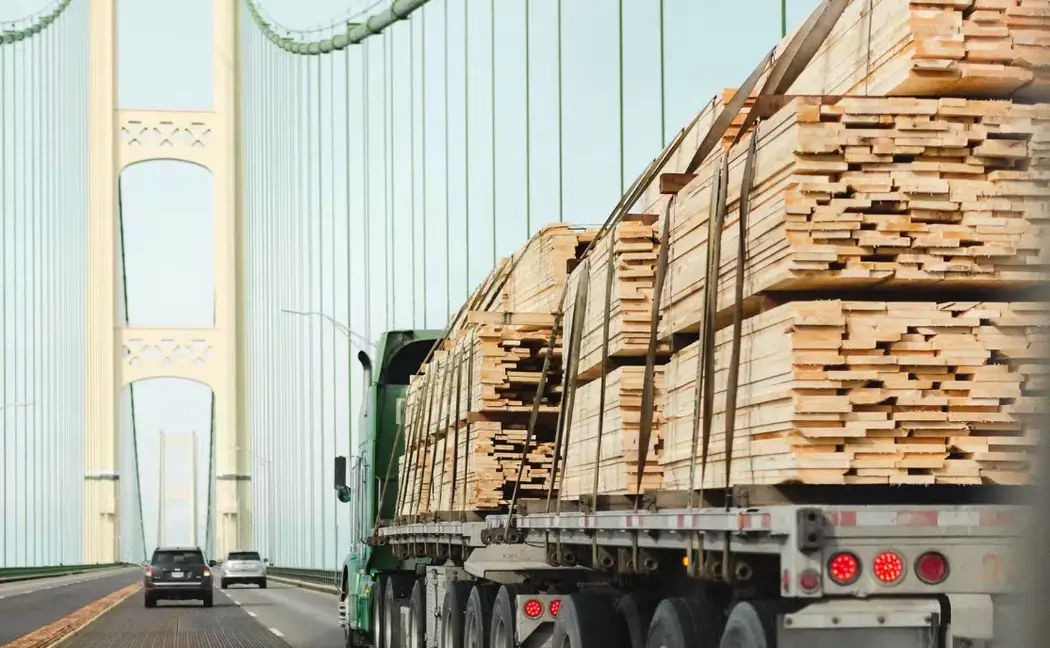
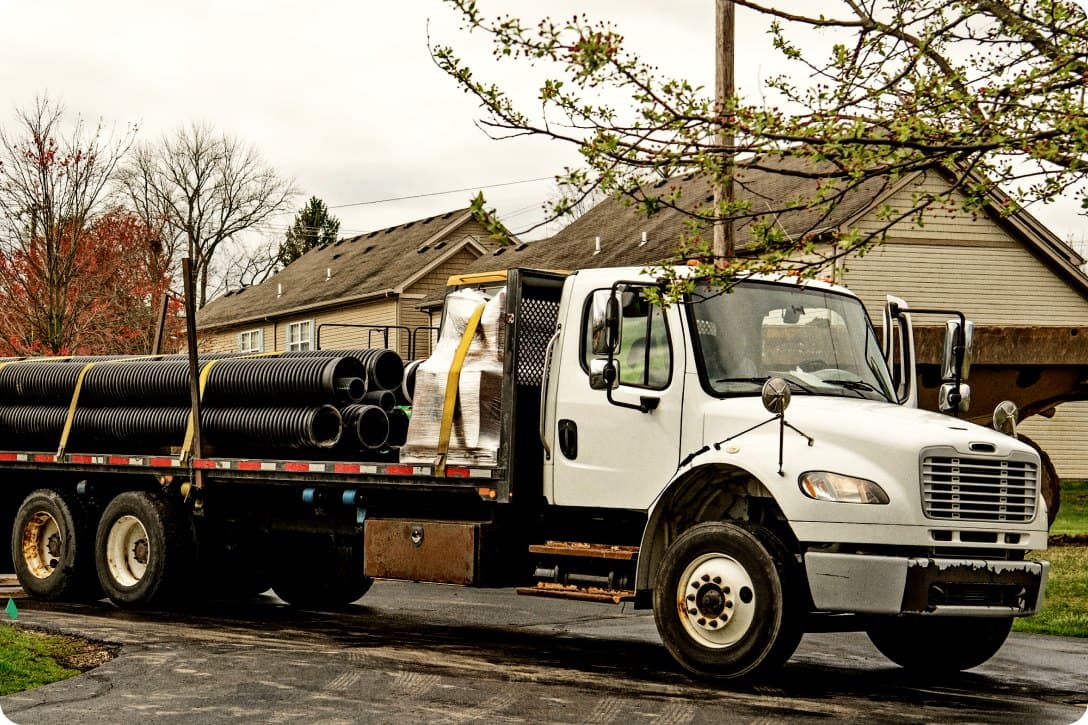
A wide variety of construction materials can be transported to a worksite via a flatbed truck. Items such as HVAC parts and supplies, reinforced concrete, cement, bricks, dimensional lumber, scaffolding, etc can all be hauled in a flatbed truck. A flatbed can even be used to move dozers, excavators, and loaders.

Making the decision about how to haul equipment and material to a construction site is not simple. Choosing the ideal way means getting equipment and material to a site quickly, efficiently, and safely in the most cost-efficient manner.

A flatbed truck often fits the bill, particularly for oversized loads and materials that are unusually shaped. They can carry heavy loads and make loading and unloading simple.

Curri, a construction-supply delivery service, has a fleet of vehicles available including flatbeds. The affordable and fast solution can help you get materials and equipment to a job site quickly. Take our demo for a test drive!
Related articles

The top Curri delivery and workflow features of 2025

How construction supply chains win with on-demand delivery

TMS for construction: How transportation management systems simplify fleet operations

The top 5 benefits of using an AI-powered Route planner in construction logistics

Why construction companies need a route planner built for the jobsite

Why driving for and partnering with Curri helps you scale your business on your own terms

Snack brands, your shortcut to nationwide store delivery: meet Curri

Got a beverage brand the whole world will love? Don’t let delivery logistics ruin your reach

How Curri supports construction fleet elasticity across regional zones

The ultimate guide to route planning and TMS solutions for construction logistics

What is route planning? How to optimize construction deliveries and reduce downtime

Conventional FTL vs. LTL freight logistics: What you need to know

Why traditional couriers can’t keep up with modern construction needs

Your On-Demand Middle Mile Delivery Solution

Why HVAC suppliers rely on Curri dedicated routes

What is Logistics as a Service (LaaS)? - The benefits of LaaS fleet solutions

What Is It Like to Be a Driver for Curri?

First Mile Delivery Guide: Benefits, Examples, and Shipping Solutions

What Is Fleet Elasticity?

HVAC fleet management: how to transport safely and on time

Top 5 delivery challenges for contractors in Denver

What is crowdsourced delivery? definition, benefits, and use cases

What Is Buy Online Deliver From Store (BODFS)?

What is elastic logistics, and how does it support the trades?

What Is a Construction Courier?

Using a Virtual Fleet to Reduce Fleet Insurance Costs and Liability Risk

How to Use Your Own Truck for Delivery Jobs With No CDL

Top 5 Reasons to Drive with Curri

The best fleet types for urban vs. rural delivery locations

The benefits of courier services for construction projects

Tool delivery service: streamlining projects for contractors and builders

How Curri Can Help with Worker Shortages at Lumber Companies

Same-Day Delivery Makes Last-Minute Change Orders Easier

Curri's integration with ERP systems: streamlining distributor operations

Sustainable operations for industrial transportation and logistics

A Simple Solution for Same Day Electrical Supply Deliveries

Curri’s Same-Day Delivery Makes Irrigation Jobs Easier

Outsourced vs in-house delivery drivers: what’s the difference?

Retailers Compete to Keep Customers with Same-Day Delivery

HVAC equipment delivery: best practices, solutions, and challenges

How to reduce fleet costs: the fleet management cost guide

Return delivery for construction and industrial materials, equipment and tools

The Importance of Reliable, Safe Delivery Drivers

Last Mile Delivery Tracking: The Secret Weapon for Customer Satisfaction

Overcoming Construction Disruption in 2022

How On-Demand Delivery Drivers Reduce Costs and Improve Operations

Optimize Last Mile Delivery for BODFS

LTL construction delivery: a practical guide for distributors and suppliers

Last-Mile Couriers Streamline Integrated Project Delivery

Retail last mile delivery: speed up shipments and cut costs

Navigating weather, terrain, and traffic challenges in regional construction material delivery

It’s National Mom & Pop Business Owners Day!

Local courier alternatives: How Curri compares

How to Safely Secure Materials During Transport

Curri Is Your Last-Mile Solution for Large-Scale Solar Logistics

Last-Mile Logistics Challenges of Large-Scale Solar Projects

Key strategies to optimize industrial deliveries

Job site productivity hacks: Start with better delivery

A Solution for HVAC Equipment and Part Shortages - Summer 2022

How to manage seasonal delivery peaks with route optimization software

How to optimize Houston logistics for same-day construction delivery

Virtual fleet management: benefits, costs, and solutions

What’s it like to be a Curri driver? The pros, the challenges, and stories from real drivers

How to Improve Supply Chain Resilience with Curri

How regional distributors can improve middle mile logistics

How long does last-mile delivery take?

How enterprises can decarbonize delivery and logistics in the last mile

How to Earn More Income as a Delivery Driver

Solar Panel Delivery Guide: Shipping Solar Panels Got Easier

How Does Curri Ensure High-Quality Drivers?

Heavy Equipment Delivery Guide: Managing Construction Equipment Delivery Efficiently

Hotshot delivery cost factors: What impacts the final price?

A Quick Guide to AB5

Fleet rightsizing: how to reduce fleet costs without sacrificing service

Supply Chain Exception Management: Benefits of Same-Day Delivery Logistics

Full Truckload (FTL) shipping services simplified

Effective strategies for FF&E transportation success

Distributors Embrace the Gig Economy to Fight Supply Chain Bottlenecks

Our Next Era of Growth: Expanding Our Platform For the Industrial Supply Chain

A Driver Recruitment Solution for the Tire Industry

Top Equipment Needed for Hotshot Trucking

Emissions Reduction in Last-Mile Delivery with Fleet Rightsizing

Outsourcing Delivery Routes for Pool, Hot Tub, and Spa Distributors

Going Electric - The Future of Delivery?

Curri’s Same-Day Delivery Makes Landscaping Jobs Easier

Last mile carrier tracking: the final mile guide for 2025

What Is a Delivery Dispatch System?

Delivery Cargo Insurance Is Fast and Easy with Curri

Curri unveils its new integration with Epicor Eclipse, a premier ERP system for the industry

Corporate Sponsorship with the Wounded Warrior Project

Construction delivery types best suited to Denver's job sites

Contractor’s guide to construction delivery in Denver

The complete guide to Chicago construction delivery logistics: fleet, routes, and last-mile success

How Curri’s Advanced Logistics Help Small Businesses Compete

What’s the Best Trucking Load Board Online? Curri Is the Answer

The most common construction materials delivered in Denver

Tips to Boost Your Trucking Fleet’s Profitability

The Benefits of Fleet Augmentation for Building Materials Suppliers

2025 NMFC LTL freight class changes: Curri has you covered

Previous
Next