GPS tracking and POD: Why visibility matters for retail van fleet delivery in 2026

The moment in every supply chain when the driver leaves the warehouse used to be an operational blind spot. The dispatcher, the retailer, and the customer had to trust in the driver getting the job done, and any interruptions in the route were a mystery until the delivery showed up late or not at all. For low-stakes shipments, the system worked for a long time.
But for modern retail dispatchers, visibility has become one of the defining features separating high-performing fleets and those struggling to keep pace. Live GPS tracking and proof of delivery (POD) tools are the center of this change, and those investing in both are seeing the difference in their operations, customer retention, and their bottom line.
The last-mile delivery visibility gap
Retail supply chain operations have always had a last-mile issue. And with customers demanding faster turnaround times to retain loyalty, the last mile has become the most crucial leg of the journey. A retailer could have the most sophisticated inventory management system available, but often loses operational insight the moment the driver starts the engine.
This visibility gap stacks issues quickly. Without live location data, dispatchers can't respond quickly to route deviations, delays, or vehicle issues. Then, customer service teams can't relay the delivery update, leading to a flood of lost trust and inbound emails. Lastly, when a dispute arises over whether a delivery was made, there's no accurate record to resolve it.
For growing retailer van fleets, these gaps are more than a minor inconvenience. They're more like structural weaknesses that drive up cost, damage your reputation, and create liability exposure.
What GPS tracking actually changes
Live GPS tracking closes the visibility gap at the operational level. When each vehicle in the fleet is consistently tracked, the entire system becomes streamlined in a way that static delivery models can't replicate.
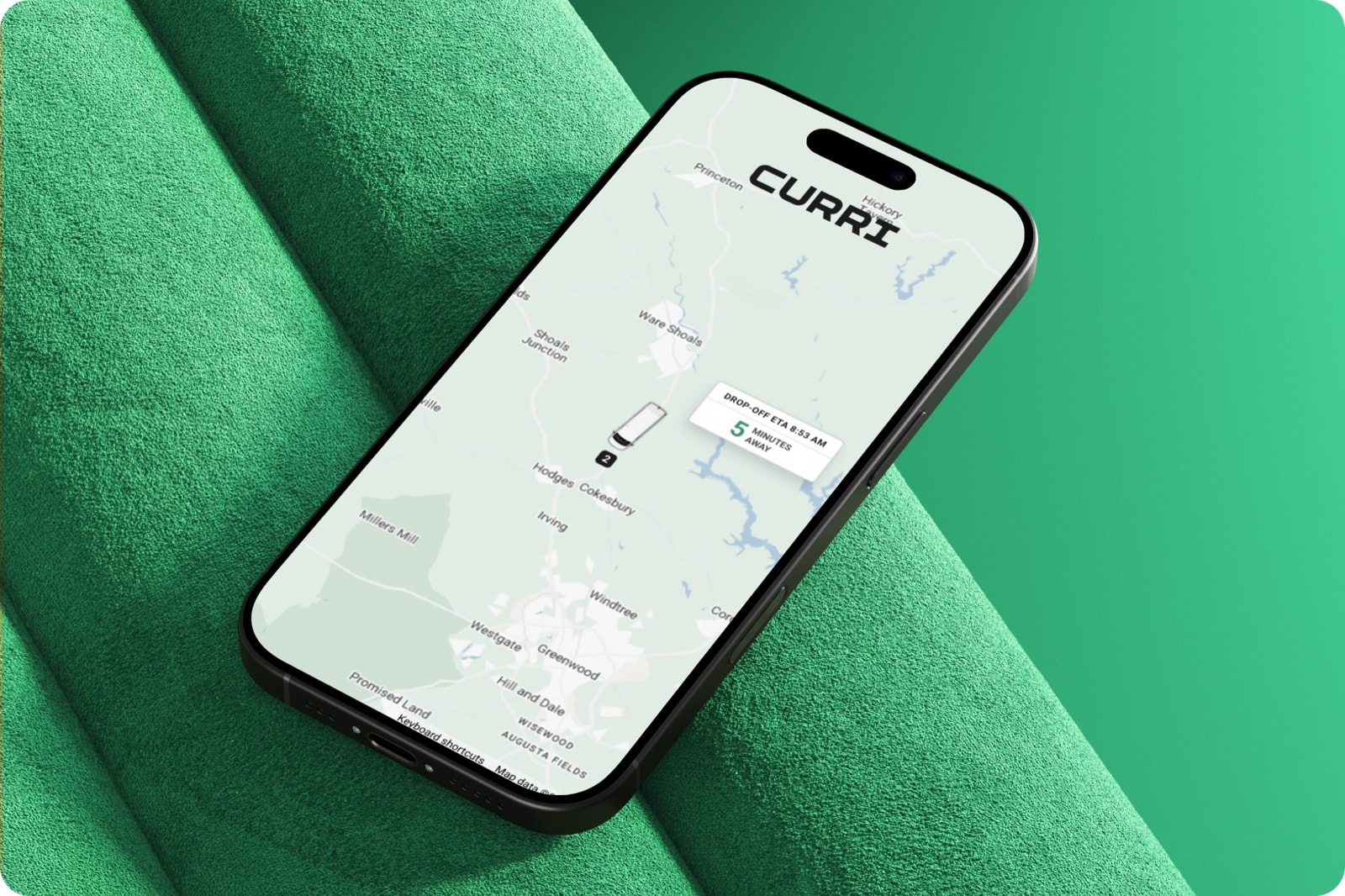
Bookers gain a live view of every driver's location, progress en route, and estimated delivery completion time. When a delay develops, be it from traffic, a longer-than-expected stop, or a vehicle breakdown, the dispatch team can see it as it happens and respond. The customer is also immediately notified, and the internal capacity can be reallocated if needed.
That responsiveness has a direct impact on on-time delivery rates, one of the most closely-watched metrics in last-mile logistics. Retailers running live-tracked fleets report fewer missed deliveries, customer escalations, and lower operational costs from more efficient routing.
The data driving a wedge between the competition
GPS tracking also drives a layer of data that powers continuous improvement. Routes that consistently run long, stops that suck up time, and areas where vehicle utilization is low can be streamlined and made more profitable. The data tells a story where fleet managers can make smarter decisions about staffing, routing, and capacity planning. It turns what was once a reactive function into a proactive one.
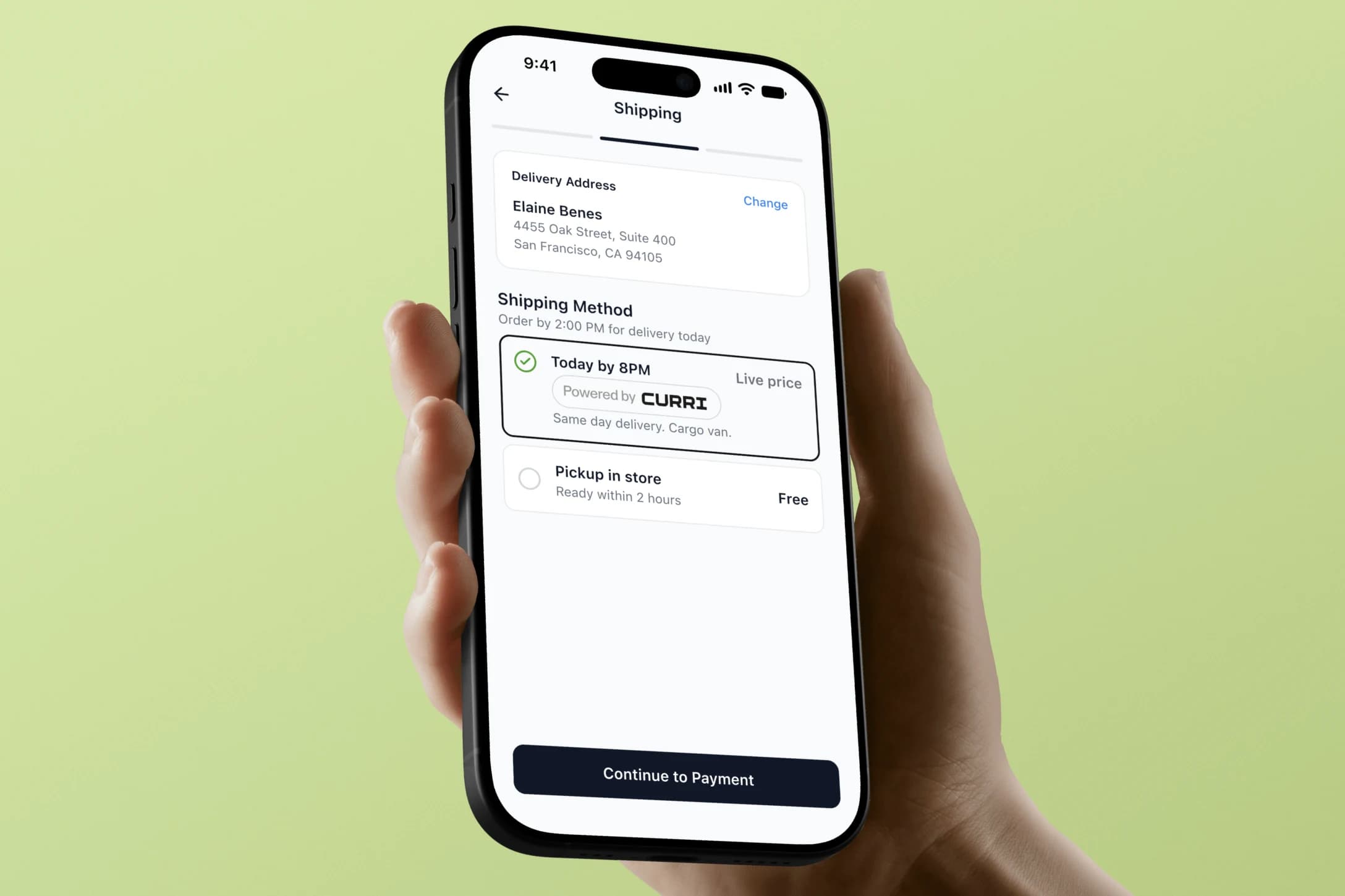
For customers, the impact is also apparent. Live tracking data allows for the kind of visibility that consumers now expect as a baseline. They can expect accurate arrival windows, live location tracking and notifications, and proactive updates when route timelines shift. This visibility reduces anxiety, reduces status inquiry volume, and strengthens loyalty and drives repeat purchases.
Why POD is a non-negotiable
Live GPS tracking will tell you where your drivers are on the road. Proof of delivery (POD) tells you what happened when the driver reached the door. Both are a must, and neither fully replaces the other.
Photo confirmation, electronic signature capture, timestamped delivery, and other POD features create an indisputable record of each successful delivery. For retailers, the record serves a few key functions simultaneously:
- In a dispute, the retailer is protected: When a customer claims a delivery arrived damaged, or didn't arrive at all, a timestamped photo with GPS coordinates attached resolves the question definitively. Without POD tech, these disputes drag on, consume customer service teams, and often end in refunds or a damaged reputation, regardless of what happens.
- The accountability is there: Drivers who know every delivery is documented will perform differently from those operating without that structure. POD requirements set a clear standard to abide by. On top of that, it's easier to identify and address performance issues before they become patterns.
- Audit and compliance requirements are met: Many commercial retail delivery relationships involve strict compliance requirements. Retailers delivering in regulated product categories or supplying to large commercial customers have contractual obligations to fulfill. Digital POD tools make compliance straightforward rather than a burdensome, manual process.
Combined, live tracking and POD do something that a manual process can't; they make the last-mile fully visible from the moment a driver picks up materials to the time the delivery is confirmed. And the retailer gets the clean digital record at every step.
How Curri delivers the visibility retail van fleets need
Curri is a comprehensive logistics platform that builds end-to-end delivery visibility as a core capability, not an add-on feature. Each shipment managed through Curri offers live tracking and POD, giving retailers a view of driver location across an entire fleet.
With Curri, retailers can access the delivery record immediately upon completion and integrate with many software systems and workflows they already use. Whether a business is booking a point A-to-B hotshot, an LTL shipment, a recurring route, or dedicated trucking, Curri has the right vehicle for the job, and a nationwide network of drivers to go the long haul.
For retail fleets operating at scale, this wide offering and high level of visibility change how the entire supply chain operates for the better. Users can book, schedule, manage, and optimize routes from one unified platform, and inflate and deflate fleet size according to demand with a few taps. It's the ease of using a food delivery app with the power to reduce overhead and increase efficiency for businesses of all sizes.
Try Curri today
Retail delivery is becoming more complex every year. Those who build visibility into the foundation of their logistics strategy now, rather than as a future priority, will be best positioned to meet customer demand and out-deliver the competition.
Get a demo from Curri today, and learn how easy it is to plan, book, and hit the road with full visibility.