Tariffs and delivery costs: What distributors can control

Tariffs raise product costs and compress distributor margins. For most of the inputs they affect, branches don't have much leverage: product sourcing decisions are already made, freight rates are set by carriers, and import timelines are set by regulators. That volatility shows up across the operation as pressure on every cost that can move.
Your delivery costs don't have to be.
The distributors who've navigated tariff pressure best aren't the ones who predicted what would happen next. They're the ones who structured their operations to absorb change without taking a hit every time policy shifts. A big part of that is the difference between fixed delivery costs and variable delivery costs, and most branches are carrying more fixed cost than they need to.
What tariff volatility actually does to a distributor's operation
Tariffs primarily affect product costs, meaning what you pay for the goods coming in. But the secondary effects matter just as much. When imported materials get more expensive, customers push back on price increases. Margins compress. The operational costs that were acceptable when product margin was healthy start looking expensive.
Delivery is one of those costs. A branch running its own trucks has a set of fixed costs that don't flex with revenue: drivers on payroll, trucks to maintain and insure, fuel regardless of route efficiency. When revenue compresses, those fixed costs don't.
According to the Thomson Reuters 2026 Global Trade Report, 72 percent of trade professionals identified tariff volatility as the most impactful regulatory change their business faces. That's not a procurement problem anymore. It's an operations problem.
Fixed costs versus variable delivery capacity
A company fleet is a fixed cost. You're paying for those trucks whether they're delivering 20 orders or 50. That structure makes sense when volume is predictable and margins are healthy. It's harder to justify when both of those assumptions are under pressure.
Variable delivery capacity works differently. You pay for delivery when you need it, at a rate tied to the delivery itself. When volume drops, costs drop with it. When volume spikes, capacity expands to meet it without adding headcount or rolling in a new truck.
That flexibility has real value when the business environment is uncertain. If product costs go up and you need to reduce operational spend, your delivery costs move with your revenue rather than sitting as a fixed line item regardless of what's happening in the market.
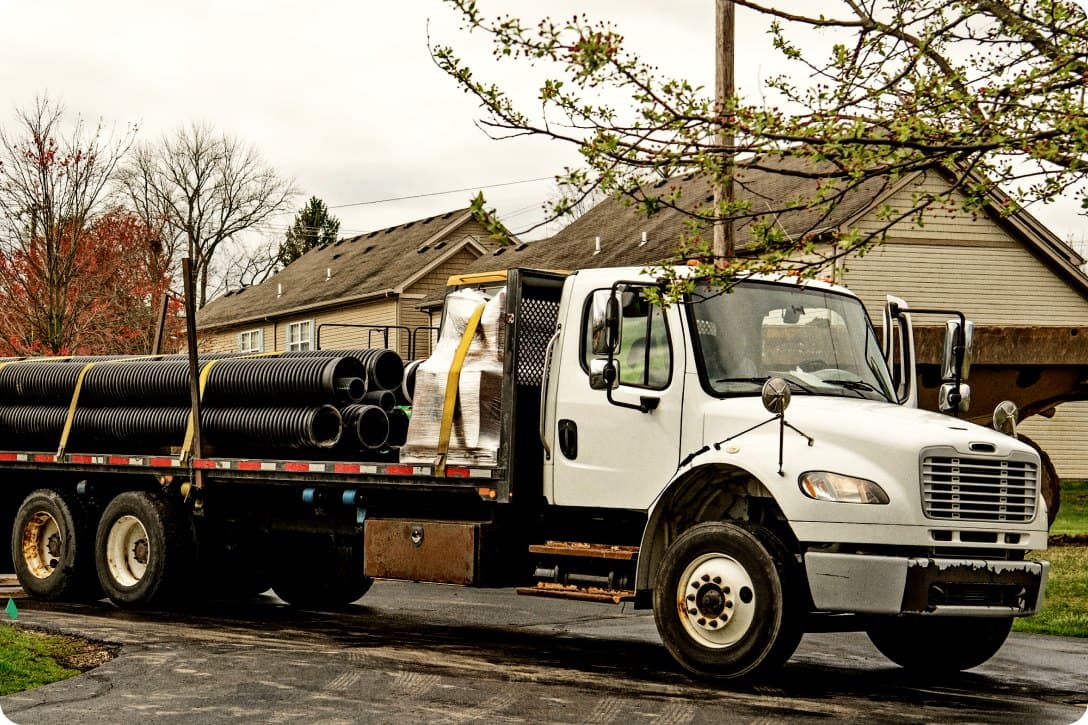
This isn't an argument against owning trucks. Many distributors own part of their fleet and should. The branches that run well in uncertain environments are deliberate about the split: they own the predictable, high-frequency routes where fixed costs pay off, and keep everything else variable. Overflow, emergency runs, and expansion into new areas stay on-demand, where a truck commitment doesn't make sense yet. Curri's guide to in-house versus outsourced fleet covers this tradeoff in more depth.
Delivery capacity that moves with your revenue
Curri runs without long-term contracts. You use delivery capacity when you need it, and nothing more. If your order volume drops for a quarter while the market adjusts to new cost structures, your delivery spend drops with it.
Compare that to hiring a driver or adding a truck lease. Both of those commitments are hard to reverse quickly. They make sense when the business case is clear and stable. They're harder to justify when you're not sure what the next six months looks like.
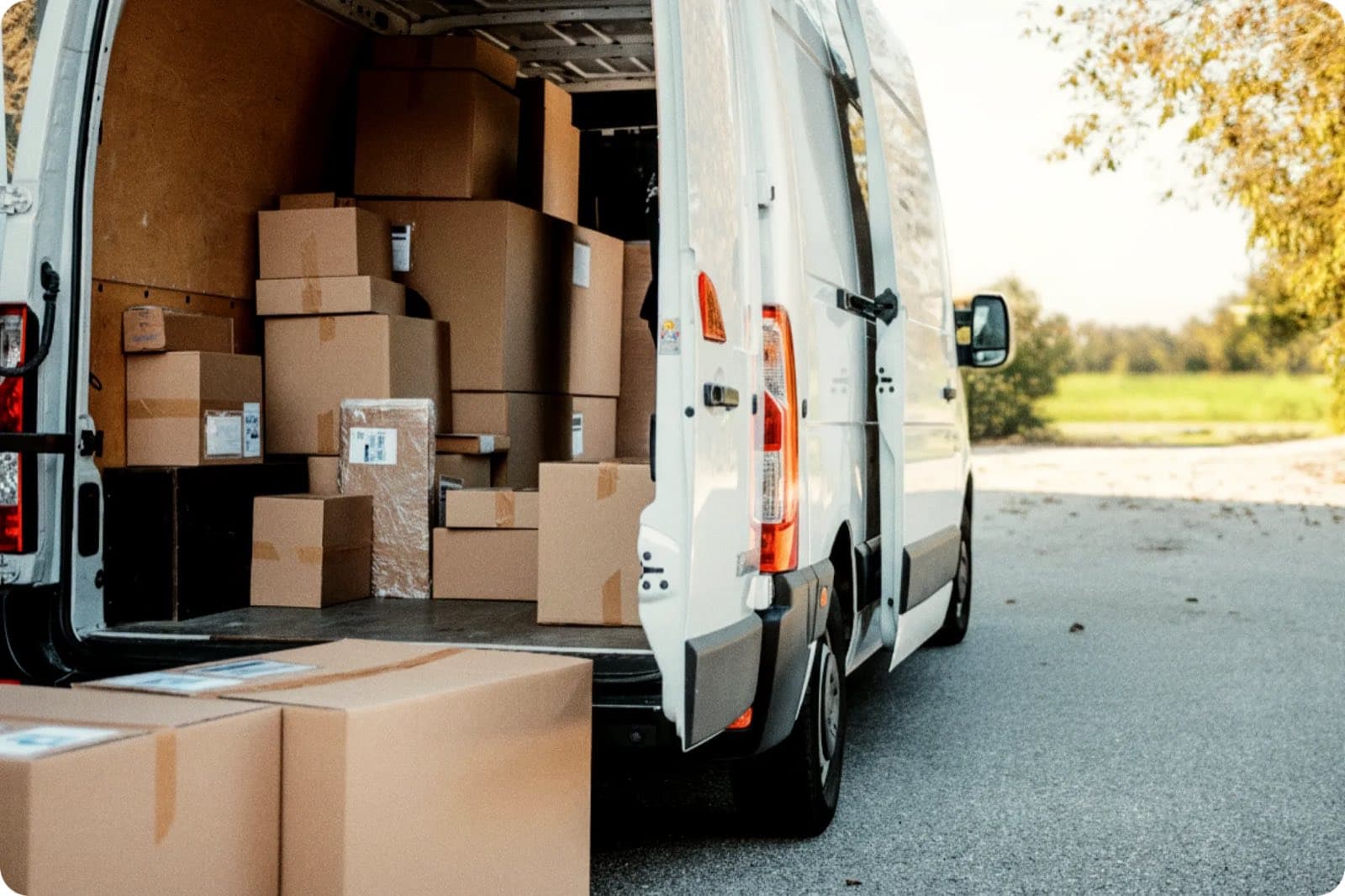
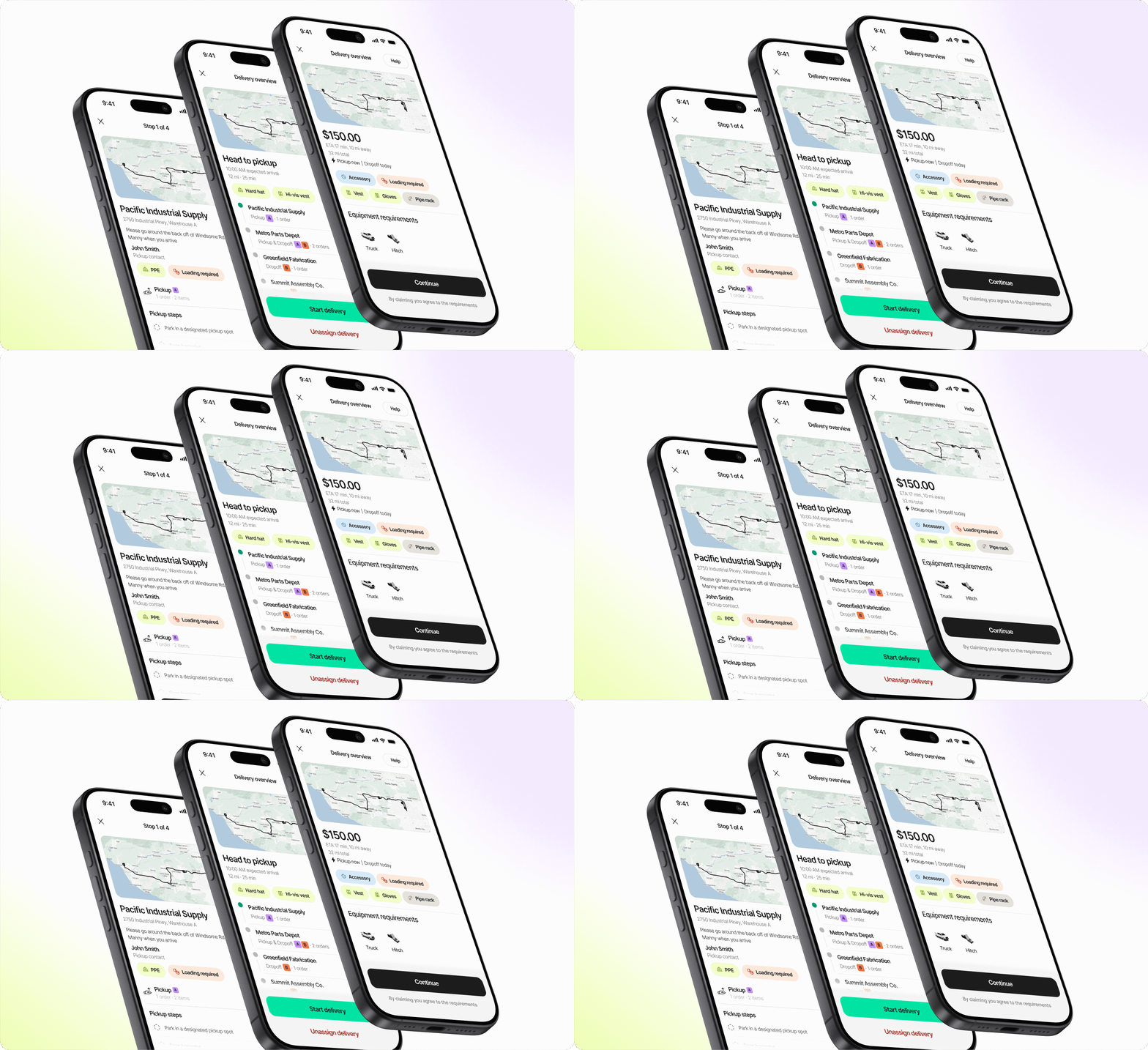
Curri Hotshots is Curri's on-demand delivery service, dispatching a driver for urgent or unplanned runs that need to move the same day, no scheduled window required. Dedicated Routes is Curri's dedicated truck and driver service for recurring delivery needs: a week, a month, or the whole year. No truck or driver added to your own payroll. Neither requires a long-term commitment, so the cost structure stays variable. For a breakdown of what on-demand delivery actually costs, see Curri's hotshot delivery cost guide.
To see how other distributors are building a variable-cost delivery model, request a demo and walk through what that looks like at your branch.
What distributors can actually control
The honest answer about tariffs is that most of what they affect is outside your control. Product sourcing decisions have already been made. Freight rates are set by carriers. Customs timelines are set by regulators.
But your last-mile delivery operation is something you can design. You can decide how much fixed capacity you carry, how much you keep variable, and where on-demand delivery covers the gap between your fleet and your demand. That decision doesn't require predicting what tariff policy looks like next quarter.
The distributors building resilient delivery operations aren't waiting for certainty. They're building for optionality, keeping enough flexibility in their cost structure that they can absorb a bad quarter without it becoming a structural problem. One Denver lighting design and procurement firm cut delivery costs by $25,000 annually by shifting overflow runs to Curri.
Build delivery capacity that flexes with your business
See how distributors use Curri to keep delivery costs variable when everything else isn't.