Same-day delivery is now table stakes for distributors

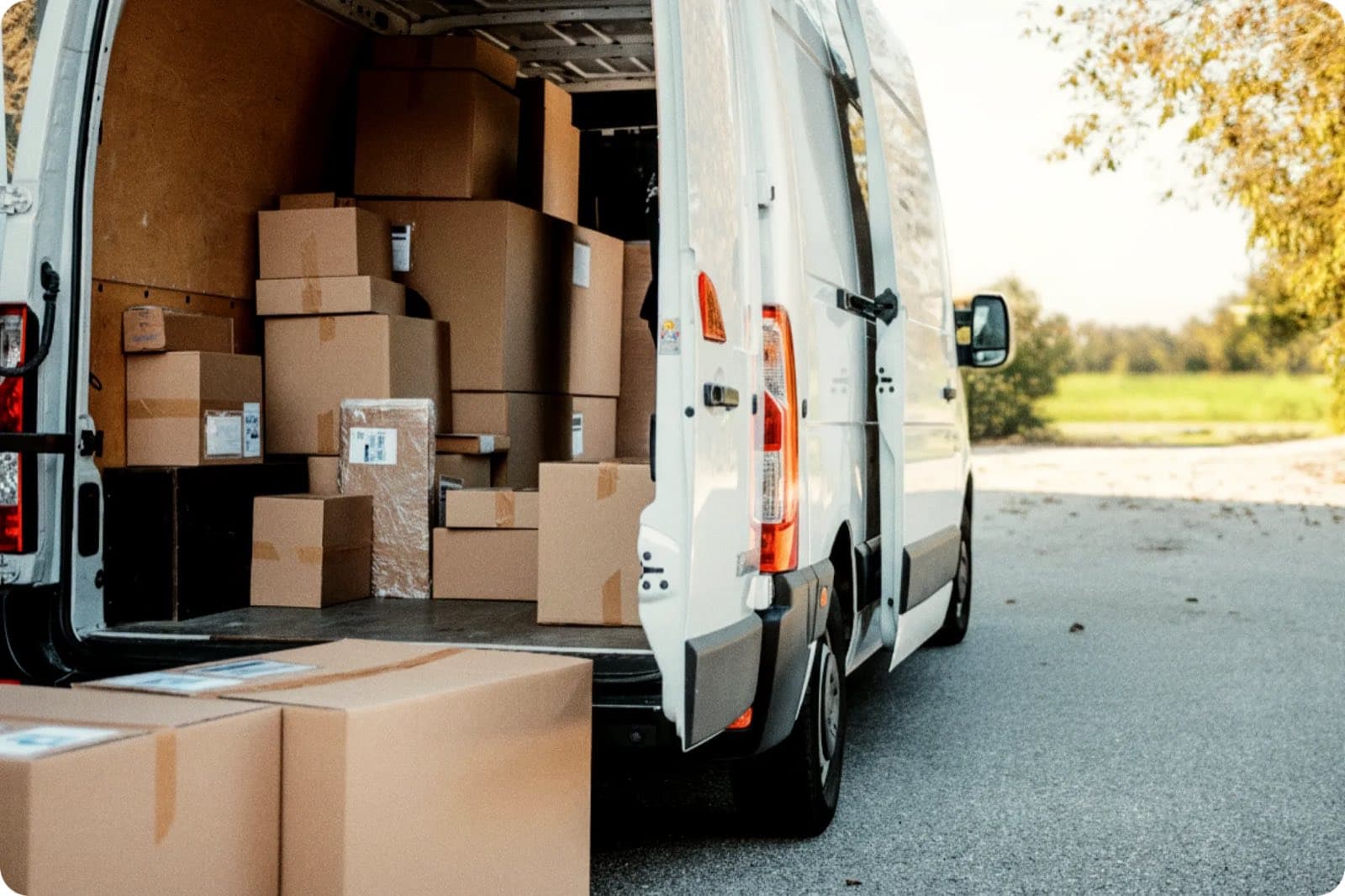
Same-day delivery for distributors used to be a competitive edge. Now it's the baseline expectation: material ordered in the morning reaches the jobsite that afternoon. The clearest proof is who's building for it. Large national carriers, the parcel networks built around next-day and two-day timelines, are adding same-day local delivery. For distributors already running same-day, that shift doesn't change the plan. It confirms it, and it shows the category has gone fully mainstream.
When the biggest names in shipping start offering same-day delivery, it's not a trend anymore. It's table stakes. For a branch manager or logistics director weighing delivery options, the question isn't whether to offer same-day anymore. It's who executes same-day best for time-sensitive, jobsite-bound freight: a generalist network retrofitting a new business line, or a provider built for exactly this from day one.
National carriers are adding same-day delivery
The numbers back up what's happening on the ground. The North America same-day delivery market is on pace to grow from roughly $11.6 billion in 2026 to more than $15 billion by 2031, according to industry market research. That's not a niche service anymore. That's a category with real scale.
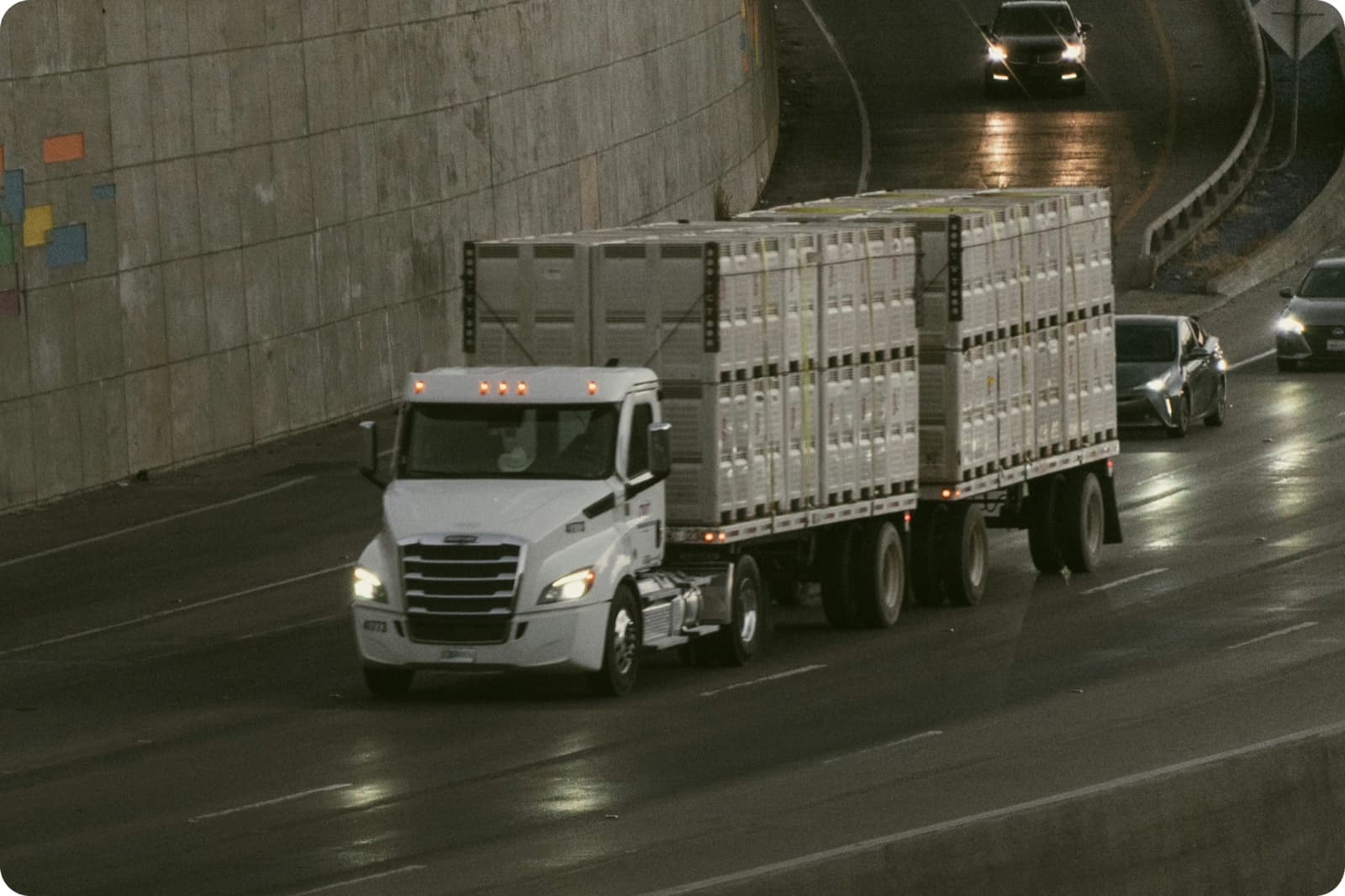
Large national parcel networks aren't sitting on the sidelines of that growth. Over the past year, several have launched or expanded same-day local delivery options, often by adding local partner networks on top of infrastructure built for next-day and ground shipping.
That's a real change in how those networks sell delivery. But a same-day option added to a network designed for next-day parcels still inherits that network's shape: sort facilities, standard package sizes, and cutoffs built for boxes.
Why this validates same-day delivery instead of threatening it
When the largest shipping networks move into a category, it's usually because demand is already proven. Same-day delivery just crossed that line.
For distributors who already built same-day into how a branch runs, whether through an owned fleet or a same-day delivery service, this is a signal the bet was right. Nothing about the underlying need changed: a contractor waiting on a part, an HVAC crew short a compressor, a jobsite that stops moving without the material on-site. What changed is that everyone now agrees that need is real and worth serving well.
The differentiator moves as a result. It used to be whether a distributor offered same-day at all. Now it's how well same-day gets executed once every option on the table claims to offer it.
Generalist parcel networks vs. purpose-built same-day providers
A parcel network retrofitting same-day onto next-day infrastructure and a provider built for same-day from day one aren't solving the same problem. The infrastructure underneath each one was designed for a different kind of freight.
Why parcel networks don't fit distributor freight
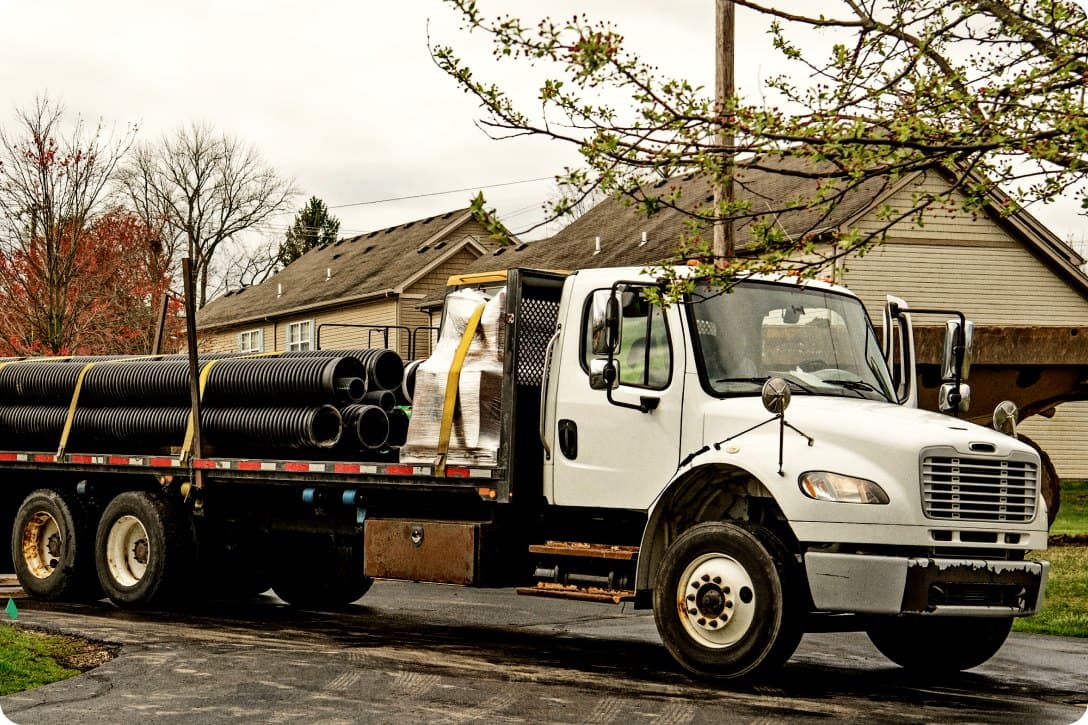
Parcel networks are built around hubs, sort facilities, and standard package dimensions with fixed daily cutoffs. That works well for boxes moving through a belt. It works less well for a distributor's actual freight: pallets, pipe, ductwork, steel, a five-hundred-pound unit that needs a liftgate and two people to get it onto a jobsite.
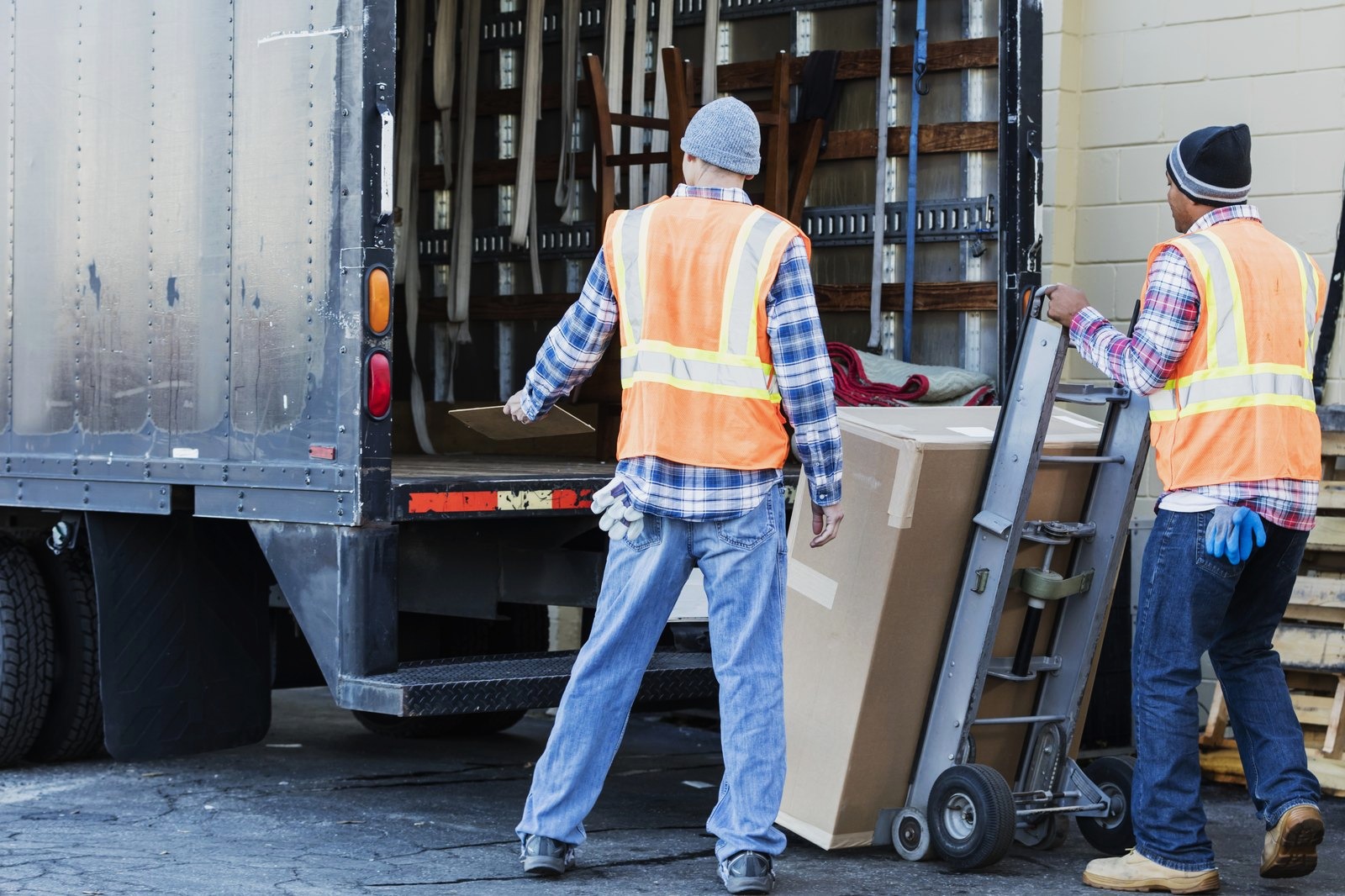
Jobsite-bound freight also comes with its own delivery logistics. Delivery windows shift when a crew runs behind. A delivery address is a construction site, not a loading dock with a receiving clerk. The driver needs to reach a foreman directly, not route through a call center.
How Curri is built for this instead
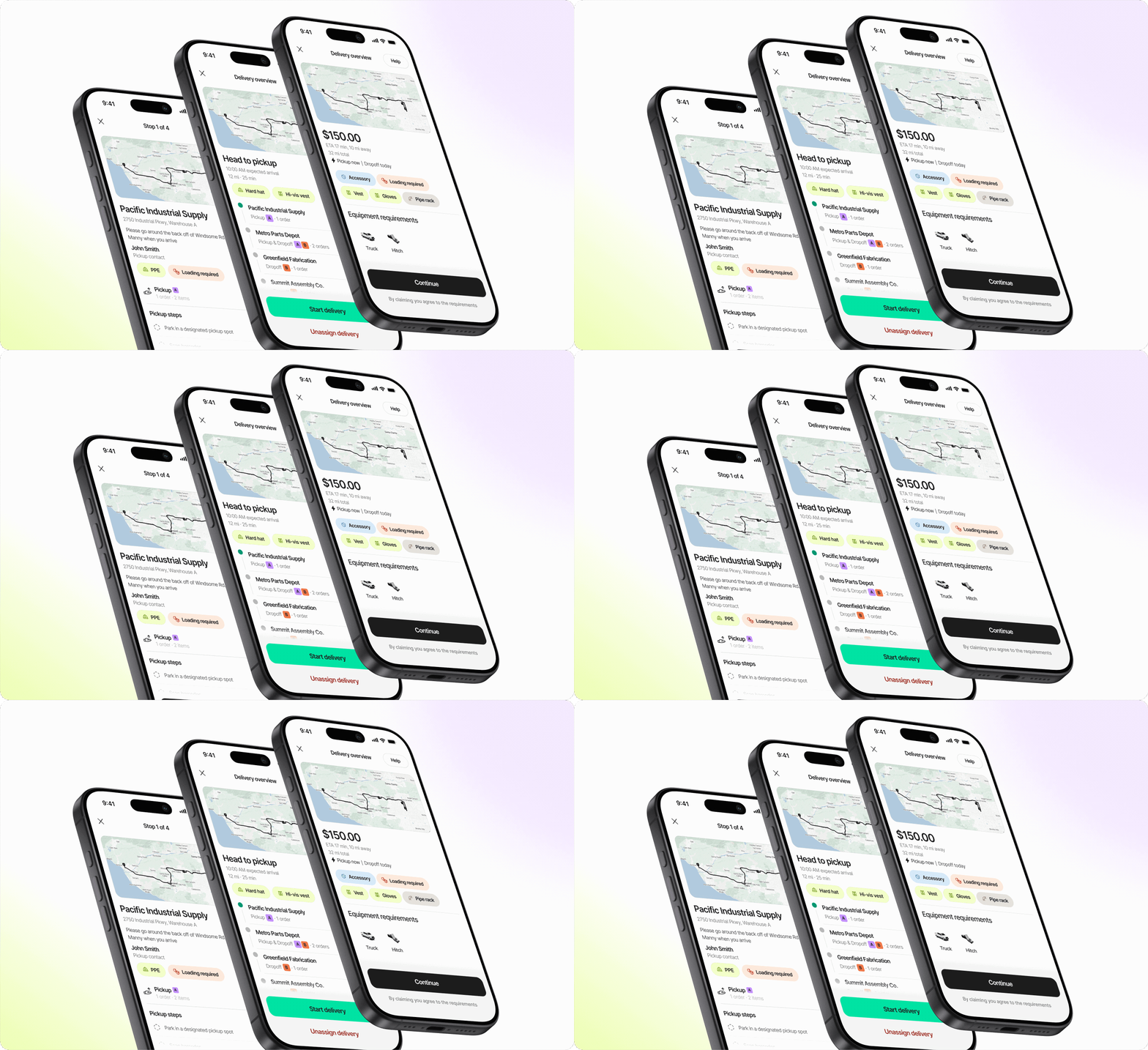
Curri built its network around exactly this kind of delivery from the start. Its network combines background-checked independent drivers with vetted carrier partners, and every job is matched to the vehicle the load requires, from a cargo van running a same-day part to a flatbed handling oversized material. Hotshots put a driver on the road as soon as a rush order is booked, and Dedicated Routes cover the recurring, scheduled volume a branch runs every day.
Bills of Lading are captured digitally, so the shipping document confirming what was picked up, where it's going, and who's responsible for it in transit lives with the delivery record. Every delivery closes with geo- and time-stamped photo proof of delivery once the load reaches the jobsite.
That distinction matters more than it might look on paper. Curri has covered the same pattern in retail delivery: a network built for a delivery type handles it better than a parcel network stretching to cover it. Distribution runs on the same dynamic, just with pallets and pipe instead of packages.
What to evaluate in a same-day delivery provider
Every option on the table now claims same-day. The differences show up in execution, not in the sales pitch. Before choosing a provider, distributors should evaluate a few specifics that matter for jobsite-bound freight:
- Handles jobsite logistics: liftgates, oversized freight, and delivery windows that shift without warning
- Puts drivers in direct contact with the person on-site, not routed through a generic support line
- Confirms delivery with a digital Bill of Lading and timestamped proof of delivery, not just a tracking number
- Offers both on-demand capacity for the rush order and Dedicated Routes for recurring volume
- Puts a driver on the road fast once an order is booked
Run a parcel network's new same-day option through this list and weigh it against a provider built specifically for jobsite-bound freight. The gap usually shows up fast. If your branch is comparing options right now, get a demo to see how Curri handles same-day delivery for distributors specifically.
What same-day delivery means for distributors right now
Contractors and jobsites already expect same-day, whether the order comes from a plumbing branch, an HVAC distributor, an electrical supply house, or a building materials yard.
Missed or late material is expensive well beyond the delivery itself. Curri has covered how jobsite material delays ripple into stalled crews and missed schedules, and reliable same-day capacity is one of the clearest ways to prevent that ripple.
What's still open is which network handles that expectation best for freight that doesn't fit neatly into a parcel box. A parcel network adding same-day service is a strong signal the market is real. It isn't the same thing as a network built to move pallets, pipe, and oversized material to a jobsite address on a tight window.
The distributors who come out ahead will pick a provider based on how it handles jobsite freight, not on who offers same-day. The providers built for jobsite delivery from day one already have a head start on the execution part parcel networks are just now building toward.
See how Curri handles same-day, built for jobsites
Compare a network built for jobsite freight from day one against any parcel network's new same-day option.