The future of retail fleet delivery: Smart logistics, live tracking, and more


Customer expectations have changed, and they aren’t going back. Same-day shipping is standard, not something to get a leg up on the competition. Retailers who can’t meet these benchmarks are losing ground, but tightening turnaround times presents challenges unique to every region. And the investment in growing internal fleets is proving impossible, with salaries, vehicle maintenance, and repair costs adding up.
This moment is both a challenge and an opportunity for most growing retailers. Those who invest now in smarter logistics will be the ones setting the pace over the next few years. In this article, we’ll uncover what that looks like in practice.
What’s changing in retail last-mile logistics?
To put it simply, several converging factors are reshaping retail supply chains.
First, it’s the adjustment to the “new normal” with customer expectations. E-commerce megagiants have normalized speed, transparency, and notifications of all kinds. Customers expect to know when their order is confirmed, who is delivering it, and where it is in transit.
Second, the cost structure of internal retail last-mile has grown in complexity. Driver availability, fuel prices, vehicle maintenance, company onboarding, and compliance requirements all put pressure on margins. Retail fleets that also rely on outdated routing methods carry an even greater burden, as battling for efficiency and sustainability becomes even harder.
Lastly, catch-all retail stores are blurring the lines between physical stores and distribution structure. More retailers are transforming stores into makeshift fulfillment hubs, meaning retail van fleets must operate with supply-chain-level precision on short, local routes.
The tech reshaping the retail fleet
The retailers with a finger on the pulse are adopting a cluster of tech features that, when combined, greatly improve performance, efficiency, and customer retention. Here’s what they’re using:
- Real-time GPS tracking: Live tracking gives dispatchers and customers alike a live view of a fleet vehicle en route. When a delivery runs behind, or a route needs to be adjusted, the entire operation can respond in minutes, with everyone on the supply chain in the know.
- AI-powered route planners: AI route planners take a strategy from pen-and-paper to optimized in seconds. It automatically maps the shortest path between two points, taking delivery windows, road closures, and even traffic forecasting into account. For van fleets making dozens of trips per day, the efficiency gains compound quickly.
- Proof-of-delivery tooling: Electronic signature capture and photo confirmation protect both the retailer and the customer. It eliminates disputes, reduces fraud, and keeps a clean digital record of every job done.
- Integrated carrier management: Accessing all delivery parties in one interface is how modern dispatchers get the work done quickly. The faster they can tap “book,” the more likely they are to retain their customers.
This modern tool stack is a must-have in today’s climate. During peak seasons, promotional events, or spontaneous spikes in demand, access to on-demand delivery powered by the most robust tools is going to make a tough job possible.
The van fleet shift is omnichannel
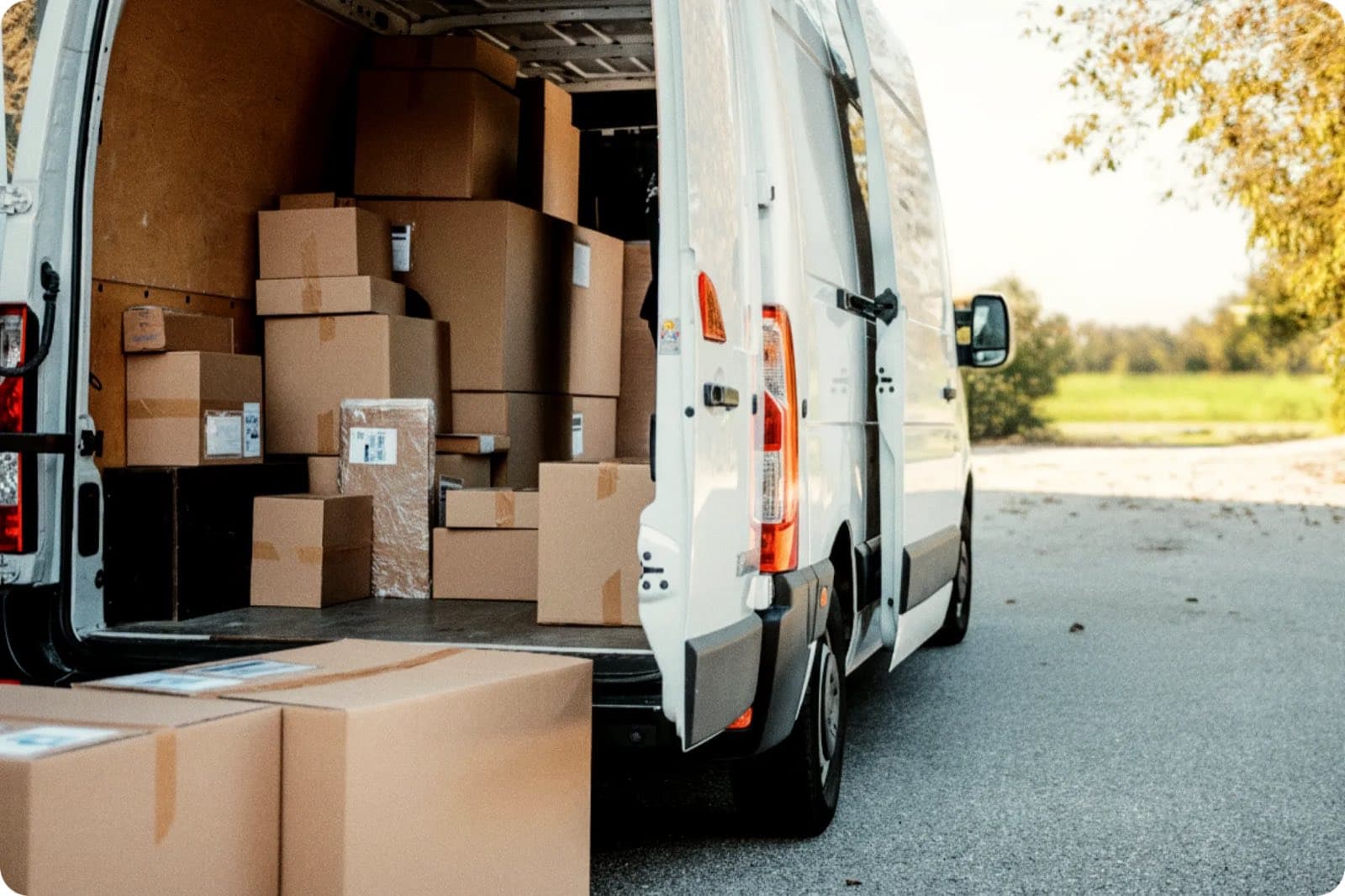
The Buy Online, Pick Up In Store (BOPIS) and ship from store models are putting new strain on retail supply chains. Van fleets are increasingly asked to cover shorter routes more frequently and with tighter delivery windows. On top of that, the service radius for same-day deliveries continues to grow.
A retail delivery option originally designed for weekly replenishment runs now needs to turn on a dime, transforming into an on-demand courier network. Retailers who embrace the shift and equip their teams accordingly will find themselves delivering ahead of the competition who still run legacy logistics models.
Sustainability has also quickly entered the conversation. Many organizations have efficiency and emissions goals to meet, and delivery plays a key role here. Businesses look to optimize routes and reduce unnecessary mileage, cutting fuel consumption while lowering emissions. Electric vehicle use is growing, and the infrastructure to support it is growing in tandem. Retailers who adopt smart logistics practices will be better positioned to transition to lower-emission strategies, thereby making them more economically viable.
Why Curri has your van fleet future covered
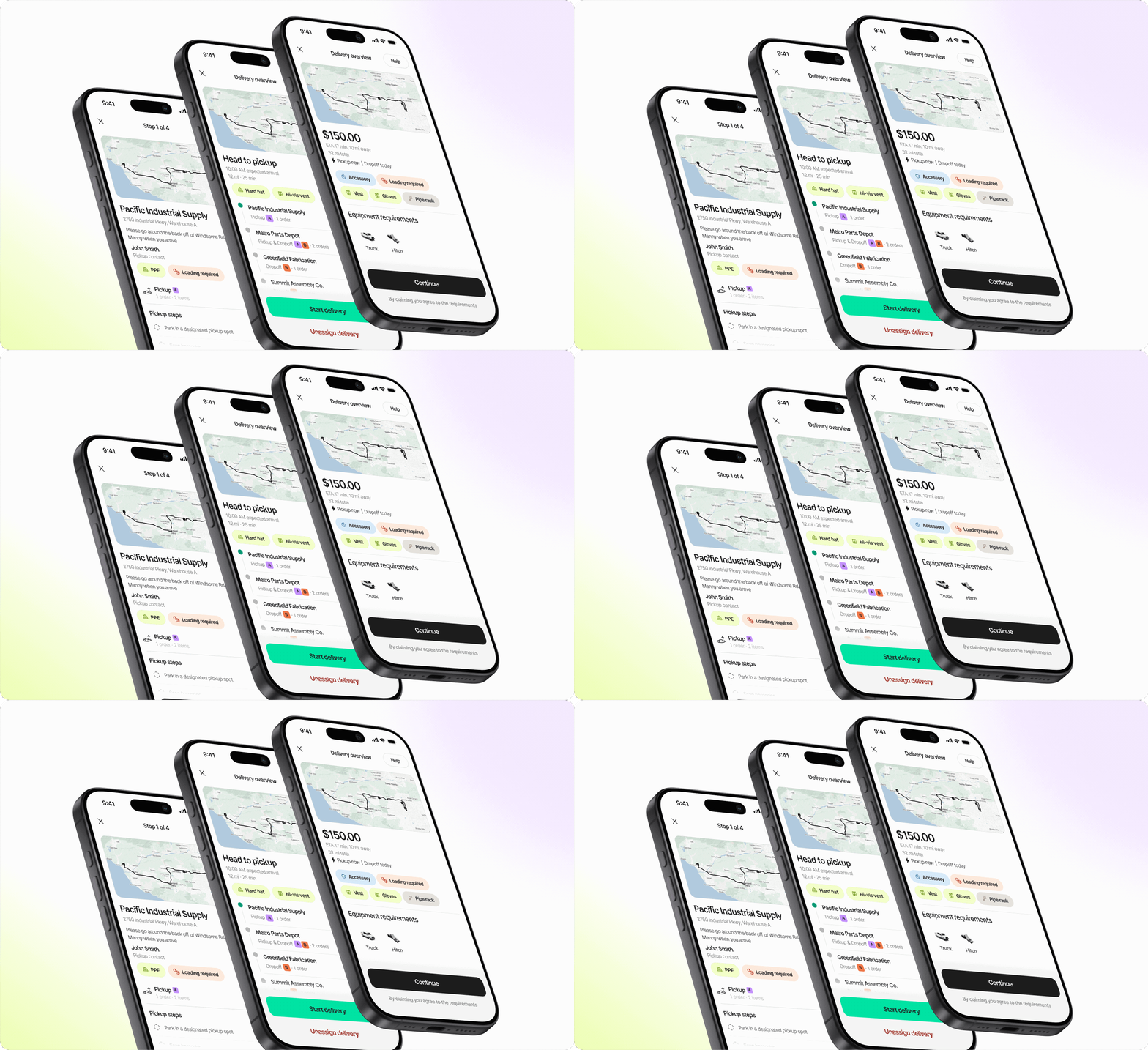
Curri is a comprehensive logistics solution connecting retailers to a nationwide network of drivers while giving operations teams live tracking, AI route planning, and the dispatch tools needed to run at scale. Whether a retailer needs to supplement their own fleet or move to a new solution to meet customer expectations, Curri is ready to hit the road.
Already known and trusted as a construction delivery partner, Curri also supports retail with van fleet operations of any size. Key features include:
- Live tracking
- Proof of delivery
- Traffic forecasting
- AI-powered route planning
- Carrier management
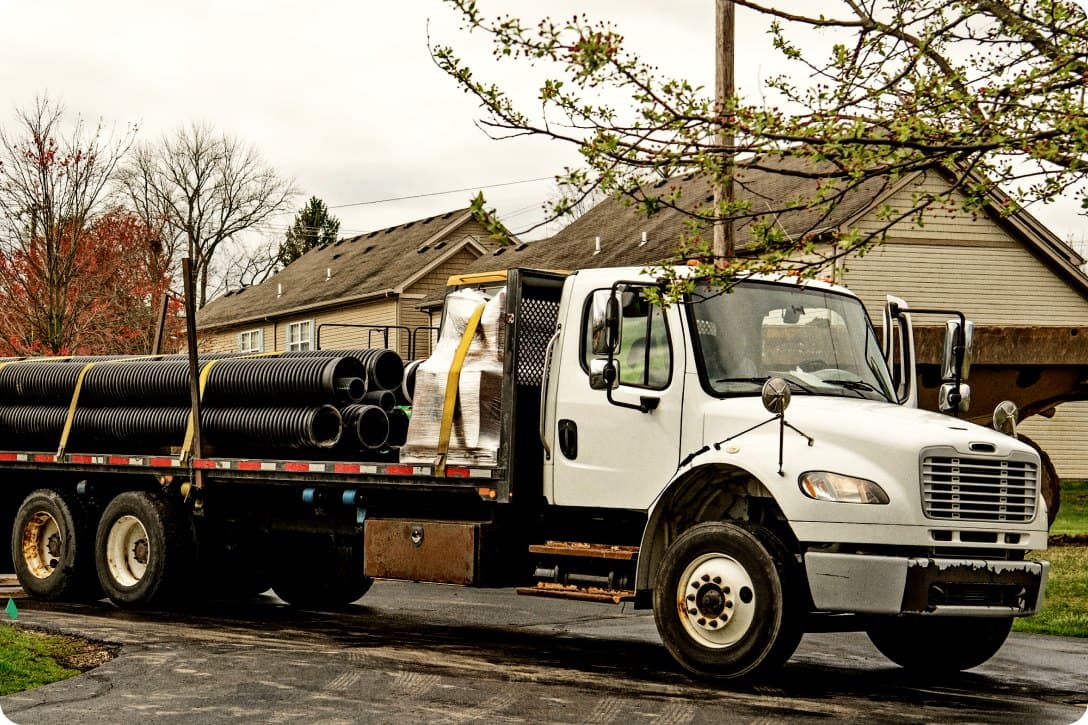
And more. Curri matches every dispatcher with the right vehicle for the job as well, from sedans to flatbed trucks. So if your fleet needs something bulkier than a van to get the job done, it’s not a problem; whether the delivery is a t-shirt or a storage shed.
And if a business needs to go beyond hotshots, point A-to-B routes, Curri also covers the rest of the delivery types a business could need. Book LTL, dedicated, recurring, or even parcel deliveries in just a few taps. Curri also offers the integrations businesses need, simply plugging into existing management and fulfillment systems, reducing manual work and the risk of human error across the entire fulfillment process.
For retailers building a long-term strategy and looking to cut internal fleet costs, Curri is the right platform. It has the tech, the expertise, and the professional, nationwide network to help businesses perform at the level the market demands.
Final thoughts
The future of last-mile delivery will be defined by speed and technology. Those who invest in smart logistics now are the most likely to meet customer expectations and scale for the long haul. Now more than ever, retail last-mile logistics are a direct expression of a business’s promise to its customers. The infrastructure behind that promise, if backed by Curri, will prove easy to keep.
Get a demo with the Curri team today, and learn just how simple it is for retailers to hit the road.