Summer HVAC delivery: Why some branches keep up and others fall behind

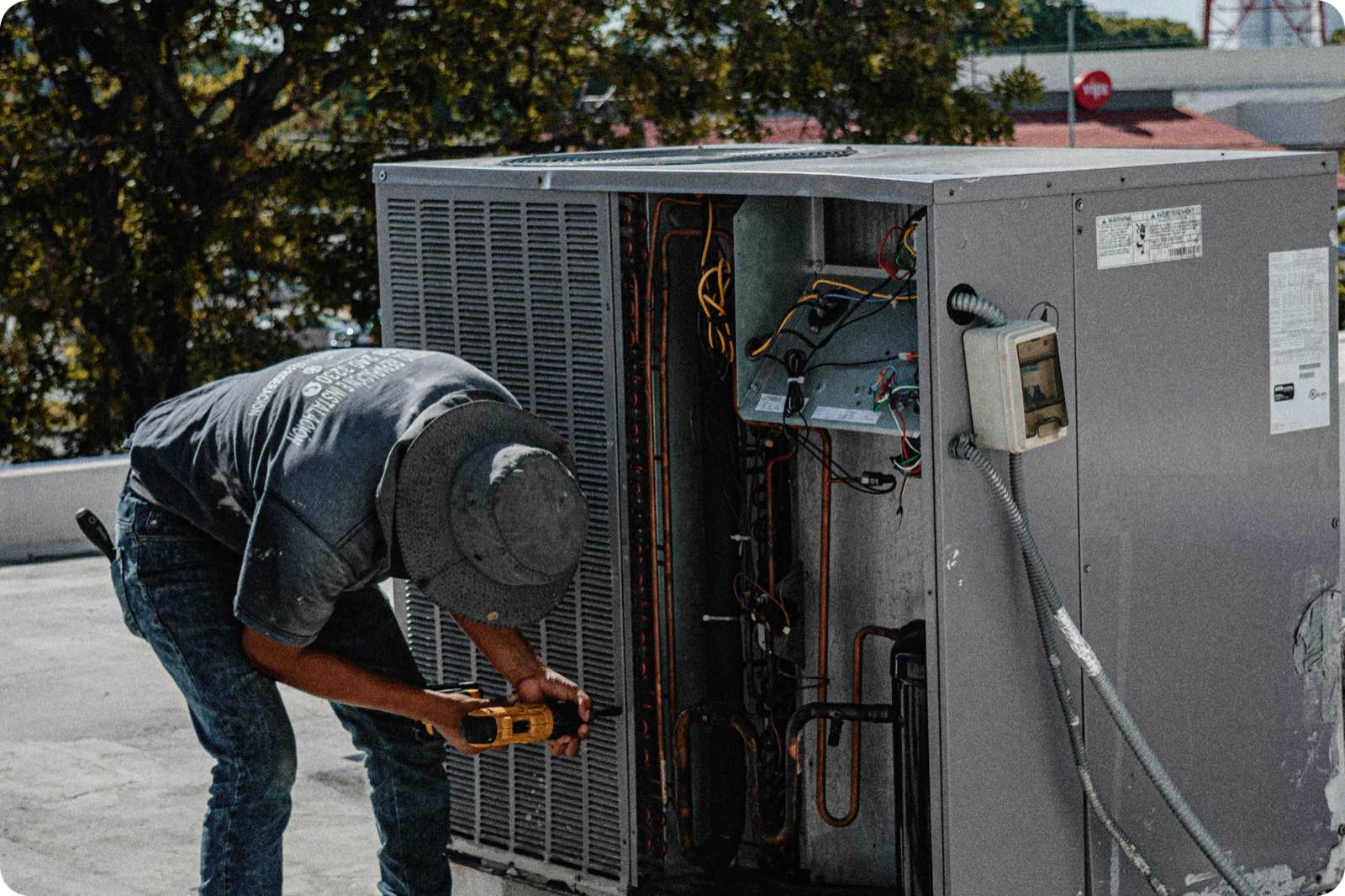
When the heat climbs past 90 degrees, every HVAC contractor in your region needs something, and they need it today. A failed compressor at a commercial building, a residential unit that won't cool, an install that's been on the calendar for three weeks. None of them can wait. Summer is the season that separates HVAC distributors with reliable delivery capacity from those who are constantly scrambling.
Summer delivery gets harder for HVAC distributors in predictable ways: more orders, tighter timelines, and a truck situation that was barely enough in April. Here's why some branches stay ahead and others don't.
What summer does to your order volume
The HVAC industry's demand curve is not subtle. Cooling parts, including compressors, coils, blowers, and thermostats, start climbing in May and peak hard in June, July, and August. For a branch handling 30 deliveries a day in March, hitting 50 or more in July isn't unusual.
Twenty extra deliveries a day sounds manageable until you look at your fleet. Your trucks are already running routes. Your drivers are already stretched. Every order that comes in after 10am becomes a question of whether it gets there today or tomorrow. For the contractors on the other end, "tomorrow" often means a jobsite that stalls, a homeowner without AC in a heat wave, and a call to whoever can actually deliver.
That pressure lands on your branch.
Summer 2026 is reinforcing that. In a single week in late June, more than 150 million Americans were under heat alerts and over 100 temperature records broke. When a heat dome settles over a region, HVAC call volume spikes overnight. The branches with overflow delivery capacity are the ones still serving customers.
Why your existing fleet isn't enough
Most HVAC distributors run what they need for a typical day. Their fleet is sized for average demand, not peak demand. That's not a mistake. Carrying excess capacity year-round is expensive. But it does mean that when summer volume hits, the existing fleet becomes the bottleneck.
The branches that feel this most are the ones running scheduled routes. Their trucks go out loaded in the morning and aren't back until the afternoon. Any order that comes in mid-morning, especially an emergency part request from a contractor mid-installation, has nowhere to go. No truck available. No driver to dispatch.
This is where summer delivery breaks down for HVAC distributors: not in the planning, but in the execution of the unplanned.
The three delivery situations summer creates
Summer doesn't just add volume. It creates three distinct delivery situations that each need a different approach.
Emergency same-day runs
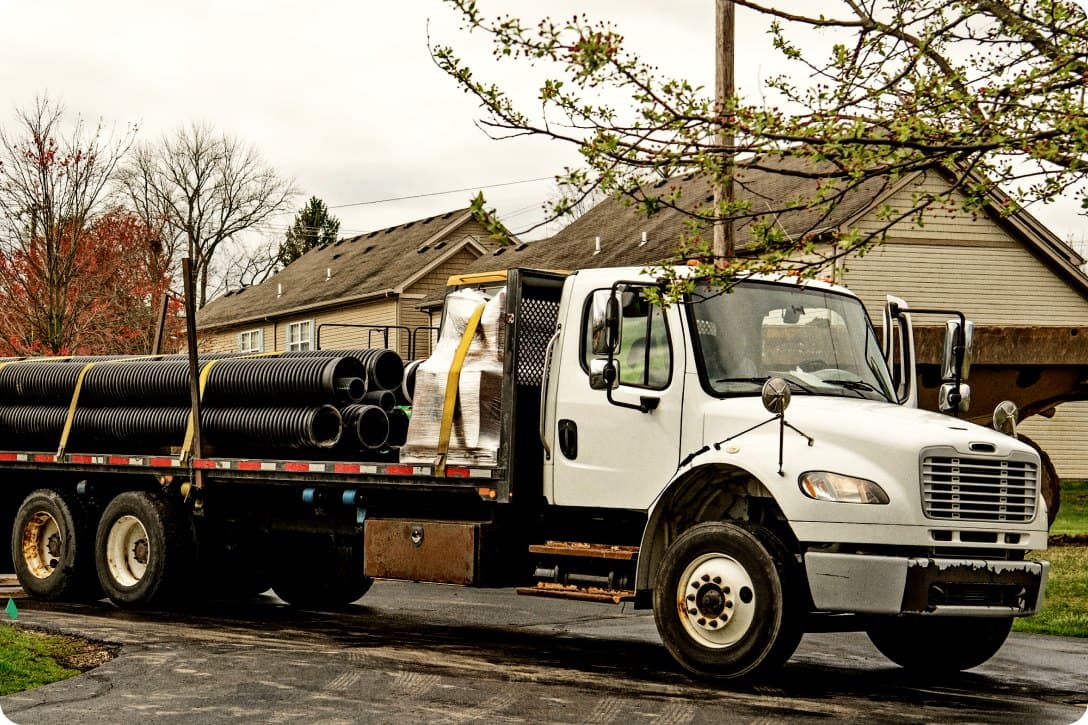
A contractor calls mid-morning with a failed part. They need it within hours or the job stops. This is a hotshot delivery: a single-vehicle, point-to-point run with one purpose. It needs to move the moment the order is placed, not wait for a truck to return from its morning route.
Predictable daily routes
Summer brings more volume, but a lot of that volume is predictable. The same accounts order more frequently. The same contractors need weekly restocks. These are planned deliveries that run on a schedule, and the branch that has dedicated capacity for these routes doesn't tie up its best drivers in ad hoc scrambles all day.
Branch transfers
A product that's out at one location sits in inventory two branches over. Getting it to where it's needed quickly, without pulling a customer-facing truck off its route, is a capacity question that only gets harder when volume is up.
Each of these has a different answer. Using one approach for all three is how branches get behind.
If you're evaluating how to structure delivery capacity during peak season, request a demo to see how other HVAC distributors handle the summer surge.
How branches with overflow capacity handle summer
The HVAC distributors who come through summer without service failures are the ones who've figured out that their own fleet handles predictable work, and they have something else for everything that doesn't fit.
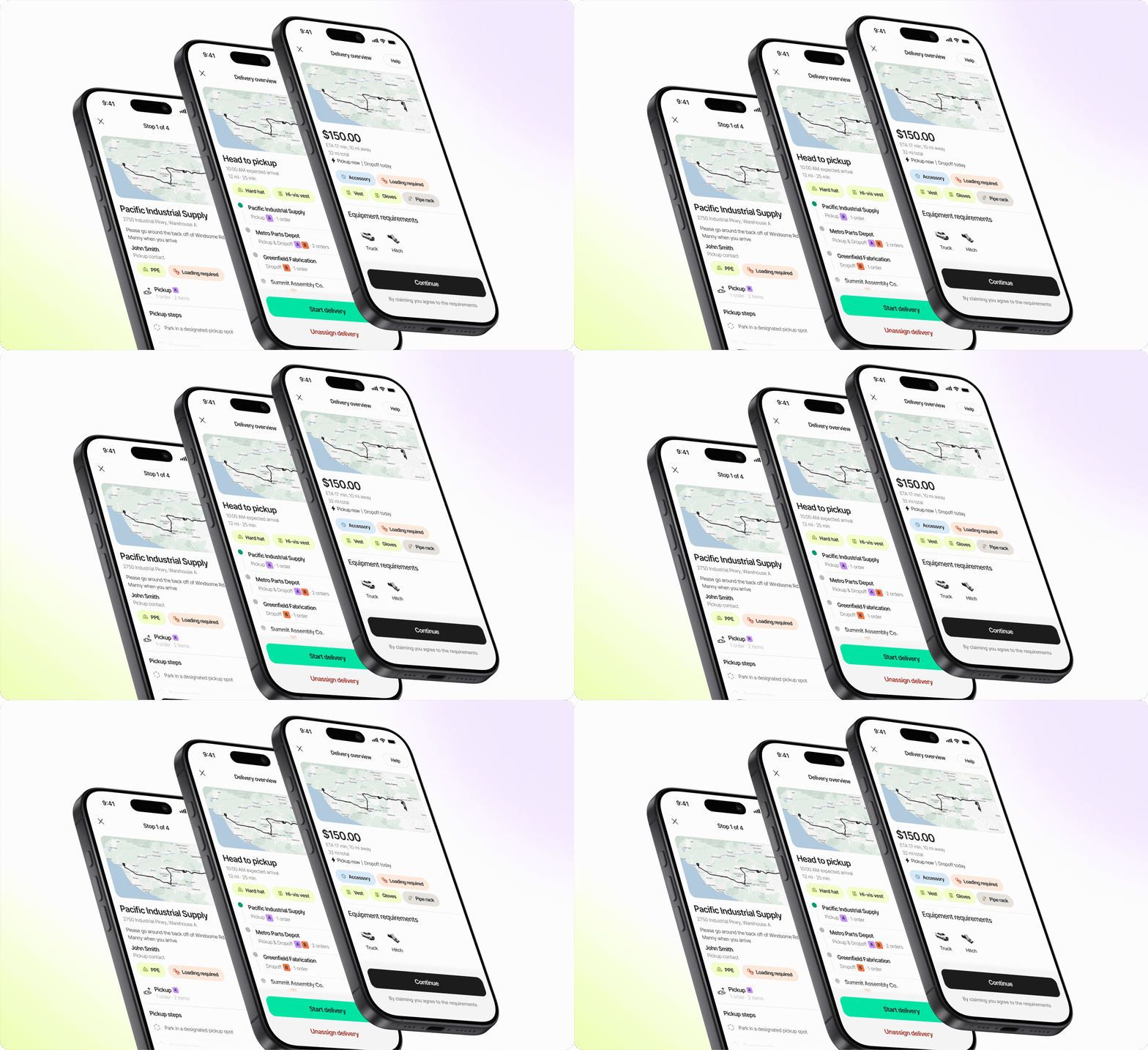
That's the practical case for Curri Hotshots: when a same-day emergency comes in and your trucks are all out, a Curri driver dispatches immediately. No waiting for the morning route to wrap up. No asking a driver to squeeze in one more stop at the end of a long run.
For branches running consistent summer volume across set accounts, Dedicated Routes put a driver on regular deliveries every day. The driver learns the accounts. The branch knows the route is covered. The existing fleet is free to handle everything else.
The branches that run well in peak season aren't necessarily the biggest. They're the ones who've matched the right delivery approach to each type of order, so no situation catches them without a good option.
See how Gemaire uses Curri in Phoenix to cover peak-season overflow at one of the largest HVAC operations in the country.
What separates the branches holding up right now
The branches that struggle in summer are usually the ones who wait until they're overwhelmed to think about capacity. By then, the damage is already happening: late deliveries, missed orders, contractors calling competitors.
The branches that hold up treat peak season like a separate operating mode. They know their average daily order count in June. They've identified which accounts drive the most urgent runs. They've lined up additional capacity before they need it, so that when volume spikes, they don't scramble.
See how Curri helps HVAC distributors run more efficient delivery operations.
Handle your summer surge without adding trucks
See how HVAC distributors cover peak-season overflow without overstretching their fleet.