What an AI dispatch copilot actually does all day

An AI dispatch copilot is software that handles driver-side delivery exceptions in real time, after the truck is already on the road, so dispatchers don't have to intervene on routine issues.
On any given delivery day, a distributor's dispatch team fields the same kinds of interruptions: a driver can't find the right contact at a jobsite, a PO number doesn't match, a delay needs to get documented before the details are lost. Each one is small, but together they add up to a significant chunk of the day, and every one of them lands on someone's desk.
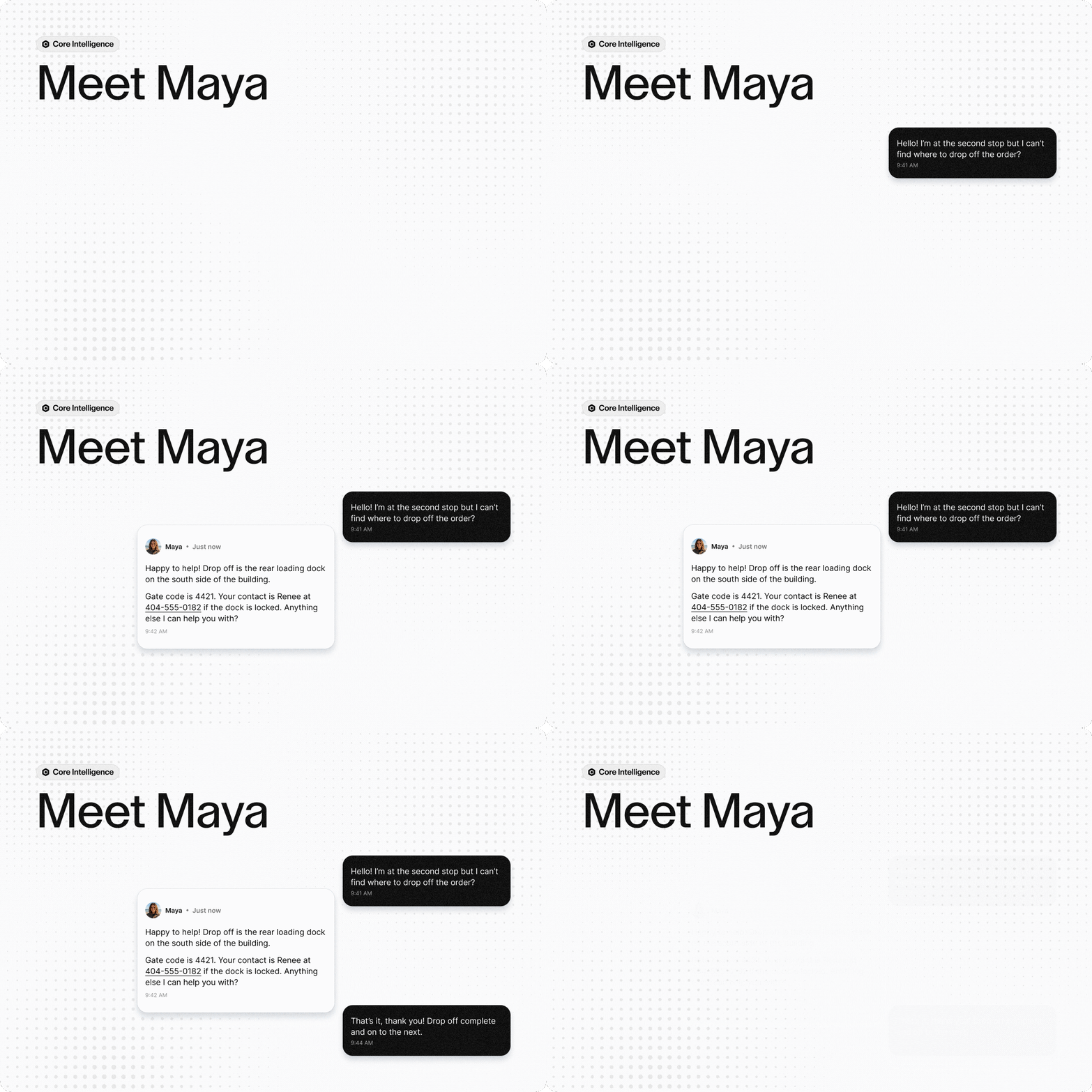
Maya is Curri's always-on AI dispatch copilot, part of the Core Intelligence suite of purpose-built agents in Curri. It handles the driver side of exceptions in real time so dispatchers can focus on the work that actually needs them. Here's what that looks like.
What does an AI dispatch copilot handle?
Maya works in the live delivery window after the truck is already out. When something comes up, Maya responds, resolves what it can, and only surfaces the issue to a dispatcher when it genuinely needs one.
In practice, it takes four categories of work off the dispatcher's plate.
- Driver-reported exceptions. When a driver hits a pickup or delivery issue, Maya identifies the delivery, surfaces the right contacts, and handles the exception. It's resolved before it reaches the dispatcher's queue.
- Multi-part requests. When a driver needs two things handled at once, Maya works through both. The dispatcher doesn't hear about it.
- Exception documentation. When an issue is escalated for human resolution, traffic delays, PO discrepancies, and shipper-side issues are documented with live tracking data and proof of delivery attached, not left half-finished for someone else to complete.
- Boundary enforcement. When a driver asks for something outside system rules, Maya explains why and redirects them. The dispatcher doesn't need to be the one who says no.
Every interaction is logged and auditor-scored, and Maya's CSAT is measured against real customer and driver feedback. Scores have been consistently strong, because the system is designed to resolve confidently within its scope and escalate honestly when it's not.
What does delivery exception handling look like in practice?
From the dispatcher's side, most of this is invisible. That's the point. The exception gets handled and the driver gets a response. Documentation is only created when something needs human review.
This applies whether the delivery is a Hotshot or a planned route. Nothing lands on the dispatcher's desk unless it actually needs to.
Consider a common scenario: a driver arrives at a jobsite and the shipper contact isn't answering. Without an AI dispatch copilot, that driver calls dispatch. The dispatcher stops what they're doing, looks up the account, tries a backup number, and stays on it until it's resolved.
With Maya, the driver sends a message through the Curri Driver app. Maya identifies the delivery, pulls the contacts on file, reaches out on the driver's behalf, and confirms the drop. The driver gets back on the road. The whole thing takes minutes, and the dispatcher never knew it happened.
When something is outside Maya's scope, it escalates, but not empty-handed. The dispatcher who picks it up gets the full context already assembled: the delivery, the issue, what was tried. They're not starting from scratch.
When does Maya escalate to a dispatcher?
Maya doesn't try to do everything. It only escalates to a human when something actually needs one, and when it does, the handoff is clean.
It won't override dispatch rules to give a driver what they're asking for, and it won't attempt to resolve situations where it doesn't have enough context. When something genuinely needs a person's judgment, Maya gets out of the way and makes sure that person has everything they need to act quickly.
What changes for your dispatch team?
Dispatchers at distributors using Curri don't stop doing their jobs. What changes is the mix of what reaches them.
The volume of routine interruptions that used to land on a dispatcher's desk (driver check-ins, exception reports, documentation requests) gets absorbed by the AI dispatch copilot before it ever becomes a ticket. What's left is the harder work: escalations that need real judgment, customer situations that need a relationship, calls where experience actually matters.
For most dispatch teams, that's a better way to spend a shift.
See Core Intelligence in your dispatch flow
Purpose-built AI agents working together.