Geared up at the gate: PPE requirements for jobsite deliveries

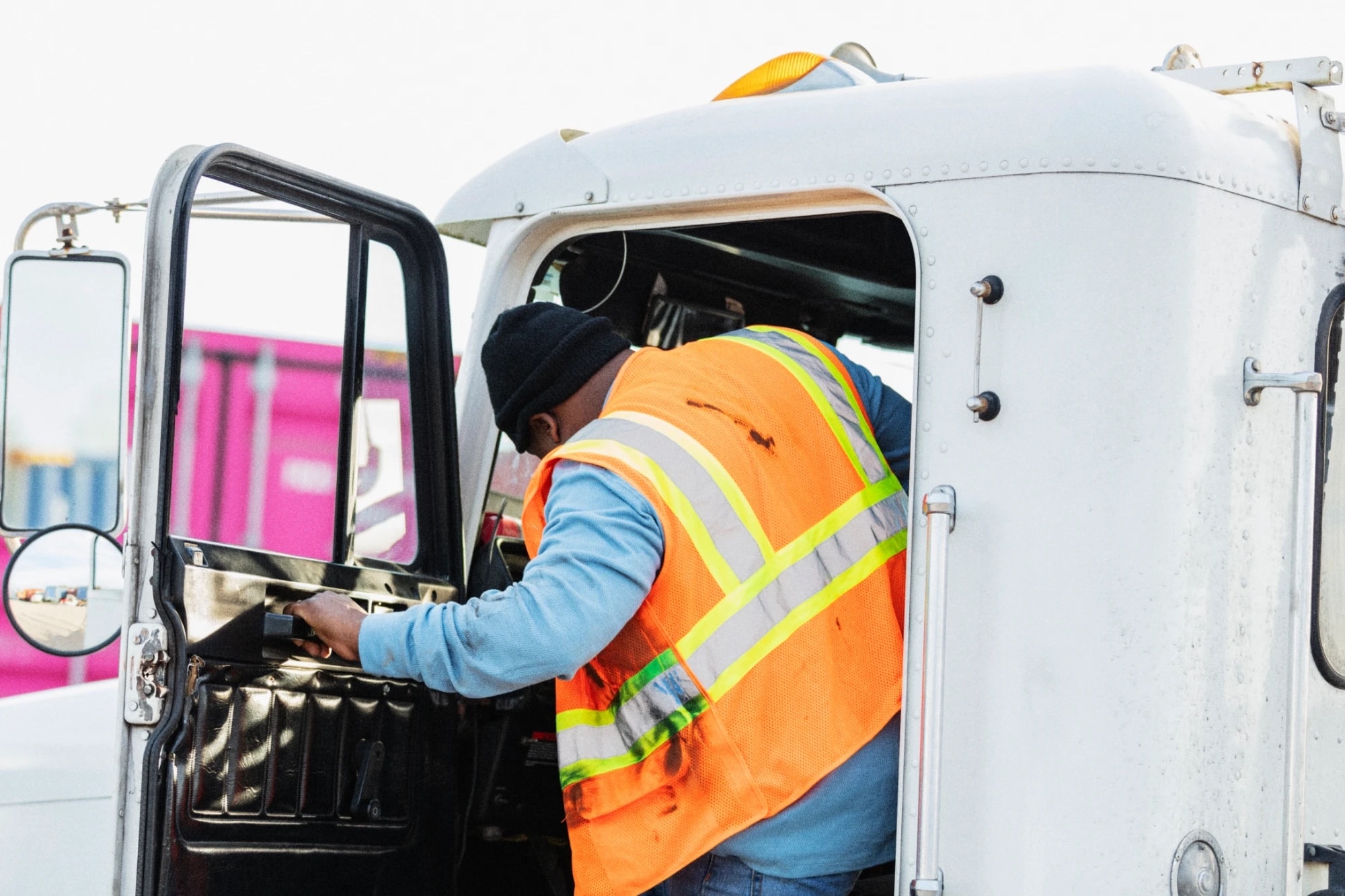
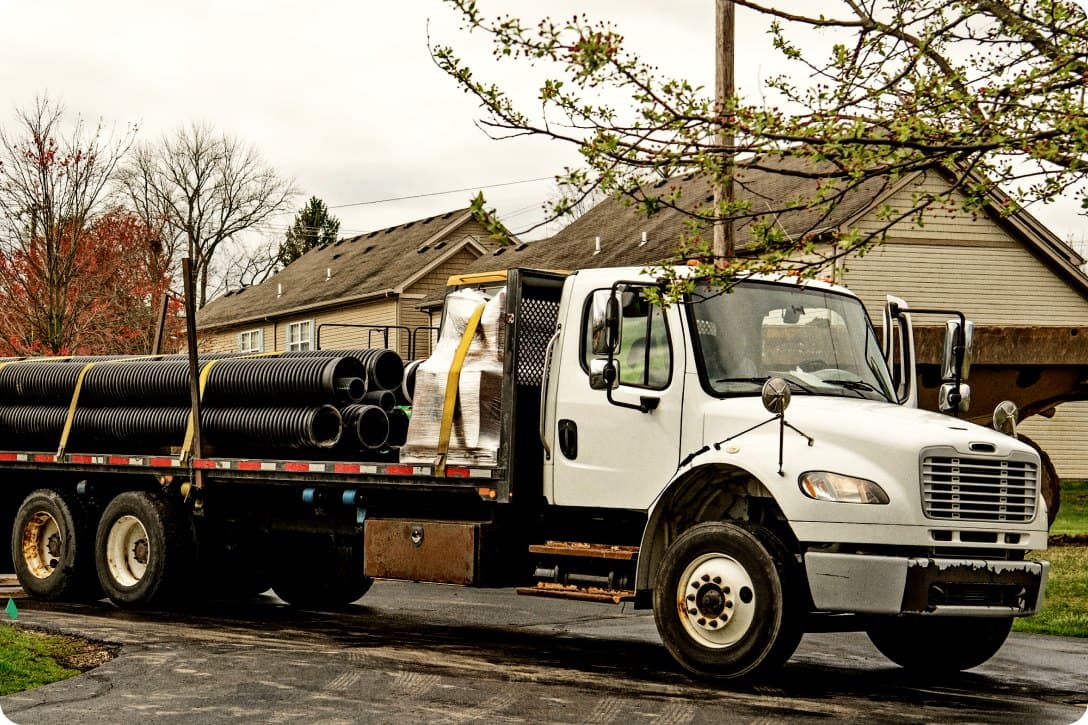
Personal protective equipment (PPE) requirements for jobsite deliveries are the safety gear a site requires anyone on the property to wear, and more sites now apply that list to delivery drivers too. Safety-toe boots, high-visibility safety vests, hard hats, and safety glasses cover most jobsites, while plant, industrial, and oil and gas sites add gloves, masks, flame-resistant clothing, or gas monitors.
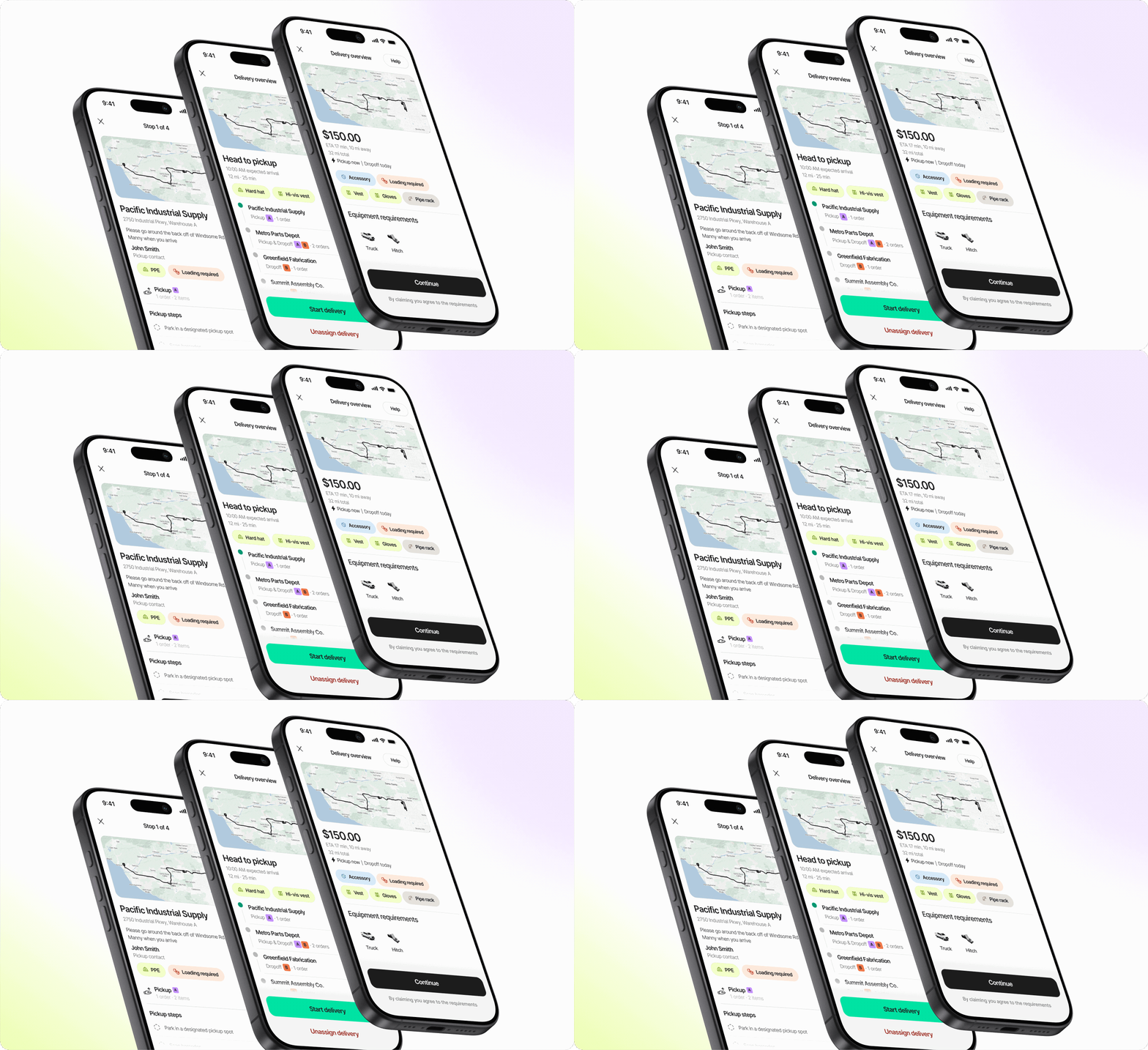
When the driver on a run doesn’t have the gear a site asks for, they get held at the gate, and the crew waiting on the material keeps waiting. Distributors booking through Curri’s platform pick the exact PPE a delivery needs right in the booking, and Curri matches the job to drivers who already have that gear on file.
Why PPE requirements are showing up on more deliveries
PPE requirements for jobsite deliveries grew out of site safety rules written for full-time crews, and those rules now cover everyone who steps onto the property, drivers included. General contractors, insurance carriers, and site safety managers don’t draw a line between a laborer and a driver once both are standing in the same laydown yard.
It usually starts small. One account mentions it on a call, another adds a line to the delivery notes, and then a regional account makes it policy at every branch. By that point, the distributor needs a way to get it right on every single run, not just the ones where someone remembered to ask.
What PPE do delivery drivers need for jobsite deliveries?
The gear is fairly consistent across sites, even when the wording of the request isn’t. OSHA’s construction PPE guidance covers the same core items site crews wear, and most delivery requirements pull straight from that list:
- Safety-toe boots. Steel-toe or composite-toe, and the item most likely to stop a driver at the gate.
- High-visibility safety vest. Standard in yards, docks, and anywhere forklifts or loaders are moving.
- Hard hat. Required on most active construction sites, especially during loading and unloading.
- Safety glasses. Common at plant sites and anywhere cutting or grinding happens nearby.
- Gloves and masks. Often requested at industrial facilities and sites with dust or material-handling hazards.
- Specialized gear. A smaller set of sites, mostly oil and gas and heavy industrial, ask for flame-resistant clothing (FRC), which is workwear that self-extinguishes instead of igniting, plus a personal H2S or 4-gas monitor that alarms when it detects dangerous gases.
None of this is exotic. The part that takes work is making sure the driver assigned to a specific delivery has the specific gear that site asks for before they leave the pickup.
Why PPE belongs in the booking, not the notes
A PPE requirement typed into a delivery notes field is easy to miss. Nothing about it decides which driver takes the job, and it may not reach the driver until they’re already pulling up to the site.
When the gear is missing, the fallout spreads past one delivery. The driver gets held or sent away, the window slips, and the contractor who made the request wonders whether their supplier took it seriously.
Moving PPE requirements for jobsite deliveries into the booking itself changes that. Once the PPE is part of the order, it shapes who gets matched to the delivery in the first place.
How Curri builds PPE requirements into every booking
Curri treats PPE the same way it treats vehicle size, as something the booking specifies and the driver match has to meet. Three pieces make that work.
Set the options once for the account
Curri turns on the PPE options each distributor account needs, so every booker on that account sees the same list. A branch that mostly delivers to residential jobsites keeps the list short. A branch serving plants or oil and gas customers gets the specialized gear added to theirs.
Pick the exact gear per delivery
When someone books, they choose the specific items that site requires from a multiselect list. A commercial jobsite run might get boots, a vest, and a hard hat. A plant delivery the next morning adds safety glasses and gloves, and a wellsite run adds FRC and an H2S monitor.
Matched to drivers who already carry it
Curri sends the job to drivers and carrier partners who have that gear on file, so the requirement is settled before anyone starts driving. It works the same for an on-demand Hotshots run as it does for a recurring Dedicated Routes program.
Asking for more gear means fewer drivers are equipped for that specific run. That’s exactly why it pays to set the requirement at booking, when there’s still time to match the right driver, instead of discovering it at the gate.
If PPE requests keep coming up with your biggest accounts, get a demo to see how account-level PPE settings fit into the way your team already books.
What changes for branches when PPE is part of the booking?
Getting PPE right at booking shows up in the day-to-day in a few specific ways:
- A branch books a site-specific delivery in one pass, with the gear chosen alongside the address and vehicle.
- Drivers get through the gate on the first try, because the match was made on gear before pickup.
- Site rules stay where they belong, since only the deliveries that need extra gear carry those requirements.
- Repeat orders come from contractors, who remember which supplier’s drivers show up ready.
Many distributors who use Curri for jobsite delivery already run their own trucks. Curri covers the runs that land outside their fleet’s day, like the rush order, the site across the metro, or the week every truck is booked. PPE is one more piece of getting jobsite deliveries right from the start, alongside the timing and access details behind most jobsite material delays.
Get the right gear to every jobsite
Pick the PPE when you book, so your driver gets waved through.